
Blog Archives

Don’t Beg

There are a lot of good points in my colleague Ann Levine’s book The Law School Admission Game: Play Like An Expert. In particular, I want to point out her advice regarding avoiding pleas for acceptance. I notice many applicants make this error at the end of personal statements for medical school, residency and fellowship. Here’s Ann’s take, which I think is very useful:

“Your personal statement should convince the reader to admit you based on the strength of your experiences and perspective. No begging at the end. None of this, “I truly hope for the opportunity to prove myself” nonsense…” (p.91).

Remember: If you make yourself a distinctive candidate through your accomplishments, you won’t feel the need to address your reader in this manner.
Tags:

Personal Statement for the Preliminary Year

Candidates who apply to certain fields – Radiology, Dermatology, in some case Emergency Medicine – need a preliminary year of training before initiating their specialty residency. I’ve been asked about submitting the same personal statement for both the desired specialty and the prelim year.

It is appropriate to use the same essay with modifications. Ensure you explicitly address why a prelim year in – let’s say Internal Medicine – will advance the rest of your career. Of course, you can be honest about what your professional goals are; the reader knows you are applying for a one -year position, but it is important to include a paragraph that focuses on how the prelim program will help you.

The season is in full swing. Contact me asap if you would like editing services.

Make sure your written materials are the best they can be by being diligent about your process (and by getting professional help).

Tags:

Personal Statement: Avoiding Writers’ Block

A few years ago a client told me she had more trepidation about writing her residency personal statement than taking her USMLE boards. Writers’ block – experienced either before starting the essay or before working on a revision – is normal but aggravating.

I recommend two tactics:

1. Make an outline. This advice might sound like something your fourth-grade teacher would tell you, but it works. Start with a five-paragraph template (which can be changed but is a nice place to begin) and jot down each paragraph’s thesis (or main point).

2. Give yourself enough time to work on the PS. The season is already progressing, so this is something to note. Writing an excellent essay in a few days is difficult. Sometimes you’ll need a few days’ break between revisions just to get yourself back on track.

Please contact me for help with your medical school, residency, fellowship or post bacc essays. The sooner the better. Here are updated comments about my work.

Tags:

Optimally Wording Your Non-Academic Time

I’ve noticed a few medical school and residency applicants using the term “year off” in their personal statements when, in fact, they’ve spent their time completing research, international community service or other worthwhile endeavors. Saying you “took a year off” belittles your accomplishments. Ensure you avoid language that inadvertently subtracts from your application.

Tags:

Personal Statement: Show. Don’t Tell.

Compare the following:

“I am a compassionate person with a lot of resolve who wants to help people through medicine.”

“My four years of clinical work in a low-income clinic, taking vital signs and translating for Spanish-speaking patients, has strengthen my resolve to become a physician.”

See the difference?

A quick reminder: In your personal statement it’s critical to demonstrate your points with examples, rather than just state your thoughts. Show. Don’t just tell because anyone can say s/he is good with patients, kind-hearted and hard-working. Only a few excellent candidates can prove that.

For help with your personal statement for medical school, residency, fellowship or post bacc programs contact me.

Tags:

About Dr. Michelle Finkel

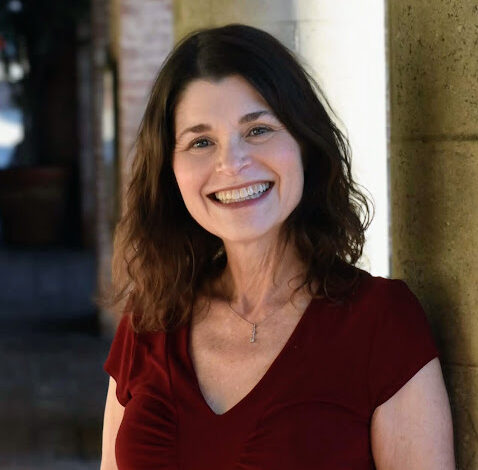
Dr. Michelle Finkel

Dr. Finkel is a graduate of Stanford University and Harvard Medical School. On completing her residency at Harvard, she was asked to stay on as faculty at Harvard Medical School and spent five years teaching at the world-renowned Massachusetts General Hospital. She was appointed to the Assistant Residency Director position for the Harvard Affiliated Emergency Medicine Residency where she reviewed countless applications, personal statements and resumes. Read more

Receive FREE Insider Medical Admissions Tips.

Listen to Dr. Finkel’s interview on The Visible Voices podcast: 


Listen to Dr. Finkel’s interview on the White Coat Investor podcast:

Listen to Dr. Finkel’s interview on the FeminEm podcast: