Blog Archives

How to Explain Inconsistencies in Your Medical School Application

You put your heart and soul into your compelling, charismatic medical school personal statement; you showcased your accomplishments and drive to succeed in your activities section; and you demonstrated the endorsement of respected faculty allies in your letters of recommendation. Now your hard work has paid off and helped you get a foot in the door: You’ve been invited to interview at your dream medical school.

But how do you manage the medical school interview when you have a gap in your resume? Let’s say, for argument’s sake, that you took a year off after college and moved to Barcelona to pursue an exciting romantic relationship, only to find yourself dumped two months later. You moped the rest of the year and had neither research nor volunteer experiences to show for your time off. Your interviewer asks you that dreaded medical school interview question: What exactly did you do, anyway, during the gap year?

A prepared candidate can see this interview question as an opportunity to turn a skeptic into an ally. Responding with a calm demeanor – without making excuses or delving into the intricacies of your personal life – will make you look professional. This is a great time to explain that, although you graduated college with a minimum of life experiences, your year off helped you consider alternative professional paths and strengthened your resolve to enter medicine. Consequently, you will pursue your medical career with greater maturity and commitment and a broader perspective than those who went straight through.

The medical school interview requires preparation and an optimistic attitude. Support your candidacy with practice and enthusiasm.

Tags: ,

Crossing your “t”s and Dotting your “i”s

Make sure you double and triple check that your application materials are complete. A residency applicant I know only realized that his USMLE scores were not “assigned” when he contacted a residency coordinator asking the program to consider him for an interview. Residencies and medical schools will, of course, not invite you to interview if they don’t have your completed application.

Tags: ,

Medical School and Residency Personal Statements

Medical School Personal Statement and Residency Personal Statement It’s time to get moving on your medical school or residency personal statement. (It’s actually late to start on your medical school essay; if you don’t already have a good draft, I’d recommend starting immediately.)

The goal of the personal statement is to distinguish yourself from everyone else and demonstrate your worthiness as a candidate. Here’s a piece I wrote for Student Doctor Network (I did not choose the title ;)) that will guide you.

Tags: , , ,

Med Schools Have No Patience for No Patients

For those undergraduates who are starting to think about their medical school applications, I will tell you a secret: One of the biggest weaknesses I advise candidates on is their lack of clinical experience. I’ve seen students with MCATs in the high 30s who did not get into medical school on their first try. They had little or no patient experience.

So, ensure your application has robust clinical activities. Some suggestions:

Scribe
Clinical Care Extender
EMT
Low Income Clinic Volunteer
Hospice Volunteer
Veterinarian’s Assistant (a great way to get hands-on procedural experience)
Phlebotomist

If you are not excited about getting clinical experience, it is time to question your interest in a career in medicine… which is exactly what admissions committees will do if they don’t see that experience :).

Take a look below at my Guru on the Go© Video about this topic.

Tags: ,

Why Do You Want to Be a […]?

medical school interview questions and medical school and residency interviewWhether applying to medical school, residency, fellowship, or dental school, applicants seem to get tripped up on questions about their reasons for pursuing their career goals. How can you make your answer distinctive from all of the others’? The key is to use your accomplishments to a) distinguish yourself and b) prove your point. You want to be a doctor because you like to think analytically about scientific problems? Showcase your research. You want to be an anesthesiologist because you like pharmacology? Detail how you tutored the subject to first-years.By using evidence of your accomplishments, you’ll convince your interviewer and remind her of your worthiness.

Tags: , , ,

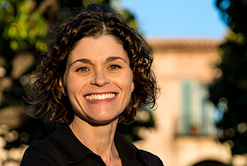
About Dr. Michelle Finkel

Dr. Michelle Finkel

Dr. Finkel is a graduate of Stanford University and Harvard Medical School. On completing her residency at Harvard, she was asked to stay on as faculty at Harvard Medical School and spent five years teaching at the world-renowned Massachusetts General Hospital. She was appointed to the Assistant Residency Director position for the Harvard Affiliated Emergency Medicine Residency where she reviewed countless applications, personal statements and resumes. Read more

Receive FREE Insider Medical Admissions Tips.

Listen to Dr. Finkel’s interview on the White Coat Investor podcast:

Listen to Dr. Finkel’s interview on the FeminEm podcast: