
Physician Heal Thyself By Getting Help

I wrote recently about burnout, which affects 37.9% of doctors, as compared to 27.8% of the general population, according to an Archives of Internal Medicine study.

Beyond burnout, suicidality is a major problem for doctors. Physicians have much higher suicide rates than the general population with male doctors at 70% higher and female physicians at 250-400% higher, according to a JAMA piece.

For the younger cohort in the profession, things are also rough: Fifteen to 30% of medical students and residents screen positively for depression, according to Medscape, and suicide is the number one cause of death among medical residents.

Excessive work burdens and expectations, lack of a perceived internal locus of control, and isolation from friends and family can all lead to clinical depression among medical students and trainees. It’s critical to take note if you see symptoms in yourself or colleagues, including hopelessness, withdrawal, anger, recklessness, anxiety, substance abuse, excessive feelings of guilt, and inability to concentrate. Realizing that many others are in the same boat and that most institutions have psychological counseling options can be a relief. Additionally, a national resource is the National Suicide Prevention Lifeline at 1 800 273 TALK.
Tags: , , ,

SOAP®

Just a reminder that if you have received few or no residency interviews, it’s time to start getting ready for SOAP.

On March 14 SOAP begins, but you need to understand how it works and be prepared for its brisk schedule prior to that.

Here is an article on the history and basics of SOAP.

Tags: ,

Choosing a Specialty and a Life

During the winter season, I spend time talking to a lot of residency applicants about their future specialty choices: Want the majority of your time to be in the operating room or in the clinic? Like procedures?

But another fair and reasonable approach is to consider lifestyle. A recent New York Times piece noted that 50% of physicians are burned out. Burnout is particularly severe among emergency physicians and critical care doctors.

As you go through your third-year clinical rotations ask yourself if you can find a role model who fits – not just your professional goals – but your personal ones. Ask to meet individually with faculty members for their opinions on their fields’ pros and cons.

Considering the growth in patient volume and the continued dearth of physicians, it’s critical to determine whether you can see yourself happy in a busy, lifelong career in a particular field.

Tags: , , ,

Match Ranking is (Strategically, but Not Emotionally) Easy Peasy

Getting into residency is hard. Understanding how to rank programs for the Match is easy. Thanks to a Nobel Prize winning economist and his colleagues, the current Match algorithm ensures that your desires are the priority over the residency programs’. What this means practically is that you should rank your first choice first, your second second, etc. There is no need to try to play the system.

I’ve had applicants tell me that they plan to rank a less preferred institution higher because that program has more residency slots. That’s a huge no-no. The applicant will actually be harming him/herself with that strategy!

Please see my Guru on the Go® video “NRMP Ranking to Avoid a Spanking” below for a fun summary.
Tags: , ,

Improve Your Medical School Candidacy: Prove you can Handle the Heat

Getting into medical school has gotten so competitive that it’s important to have a strong candidacy with excellent grades and robust extracurricular activities starting early in your college career.

One mistake I see pre-meds make is that they are so focused on leadership and research that they forget a critical component – clinical experience. No one wants to hire a cook who hasn’t worked in the kitchen. If you want to prove that you want to be a doctor, it’s essential that you obtain clinical experience for a significant period of time – not just a health fair or two. Good grades will not make up for a lack of clinical experience.

Working as an EMT, in a good clinical care extender program, or in a low-income clinic are just some ideas for obtaining excellent clinical exposure. Although you might think free clinics would be thrilled to have a pre-med volunteer, many understandably require one-year commitments.

To create a plan for your medical school candidacy, secure a Strategy Session with me here.

Tags: ,

About Dr. Michelle Finkel

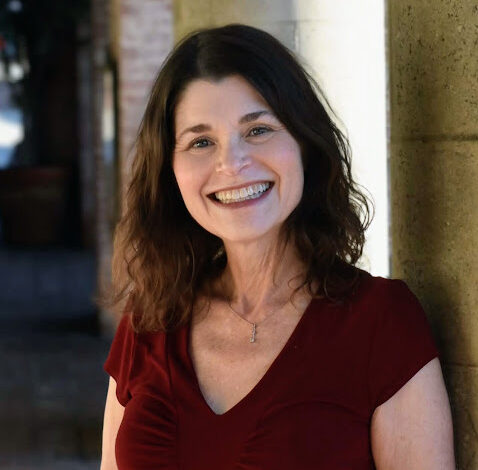
Dr. Michelle Finkel

Dr. Finkel is a graduate of Stanford University and Harvard Medical School. On completing her residency at Harvard, she was asked to stay on as faculty at Harvard Medical School and spent five years teaching at the world-renowned Massachusetts General Hospital. She was appointed to the Assistant Residency Director position for the Harvard Affiliated Emergency Medicine Residency where she reviewed countless applications, personal statements and resumes. Read more

Receive FREE Insider Medical Admissions Tips.

Listen to Dr. Finkel’s interview on The Visible Voices podcast: 


Listen to Dr. Finkel’s interview on the White Coat Investor podcast:

Listen to Dr. Finkel’s interview on the FeminEm podcast: