AMSA Featured Speaker

For the second year in a row, I have been invited to be a featured speaker at AMSA’s  national convention. The AMSA 61st Annual Convention will to be held in Washington, DC this spring. I’m scheduled to speak on Saturday, March 12, 2010 at 10 am. In the past the American Medical Student Association’s national meetings have been the largest annual gatherings of medical students in the United States. I’ll be offering an interactive lecture called “Getting Into Residency: An Insider’s Tips.”

See you there.

Tags: , , ,

Your Dream Medical School Advisor

Make a list of the qualities that you would want in an ideal medical school advisor:

1. Someone intimately familiar with your academic background and educational pedigree.
2. Someone with a strong grasp of the residency applicant pool against whom you’re competing and a knowledge of the qualifications needed for a successful match.
3. Someone who is familiar with the logistics of the Match process.
4. Someone capable of giving critical feedback (even/especially when it’s not what you want to hear).
5. Someone who has the time and attention to focus on you.
6. Someone who offers discretion when discussing failures or shortcomings in your candidacy.

Only a small fraction of medical students have a dream advisor. The majority of will need to identify an outside mentor who can offer what their medical school cannot.

Whether you pay for a professional consultant or pursue the counsel of a trusted acquaintance, seek excellence in the mentor whose services you retain: Hold out for someone experienced, accountable and available. This individual should advocate for you and should provide the sometimes-brutal honesty to enable you to get your foot in the door with a compelling application and then dazzle your dream program once you interview.

Although friends may not be willing to make you uncomfortable in a mock interview scenario, faculty may have no qualms about doing so during your actual interview. During a residency mock interview, the proper guide can show you how to strategically navigate treacherous interview topics and how to answer open-ended questions so that you distinguish yourself from the masses.

I encourage you to make a list of those people who might help you with your candidacy for a competitive residency. If personal contacts fall short, considering hiring a professional. Ask around, check with fellow students, and look for a service where you know what and whom you are paying for.

Tags: , , , , , , , ,

Depression Among Student Doctors

This article in the NYT called “Medical Student Distress and the Risk of Physician Suicide” covers depression in student doctors, noting that pre-meds enter medical training with mental health profiles similar to those of their peers but end up experiencing depression at greater rates.Training is generally awful. (Why would anyone want to spend the majority of his/her time working and not sleeping?) Now that I am past my training and have many friends and colleagues who also are, I have the perspective to say that it gets better.

Please consider talking to a physician-mentor at your institution if you are feeling blue. If you are depressed, seek mental health help. (I have heard students say they are worried this will show up on their academic records, which is not accurate.) Knowing that you are not alone and that there is a light at the end of the tunnel can make a big difference.

Tags: , , ,

Mock Interview Scheduling

My open November slots are now available on my online calendar. The slots tend to go quickly, so if you are planning to hire me for Mock Interviews please do so soon. The steps to hire me can be found here for residency applicants and here for medical school applicants.

Tags: , ,

Lacking a “Social Mission”

Here‘s a NYT article focusing on NYU’s new curriculum, but examining more closely criticisms of many medical schools – a lack of patient-centered coursework. NYU, Harvard, Florida State University and other institutions are reacting to critiques that students do not get in to see patients early enough in their medical school careers and that pathophysiology is emphasized over compassionate care.

Unfortunately, until incentives are aligned (= reimbursement), practicing physicians will be forced to continue to focus on disease, rather than patient well-being. Along those lines, I recommend Atul Gawande’s New Yorker article, “Letting Go” about end-of-life care.

Tags: , , , , , ,

About Dr. Michelle Finkel

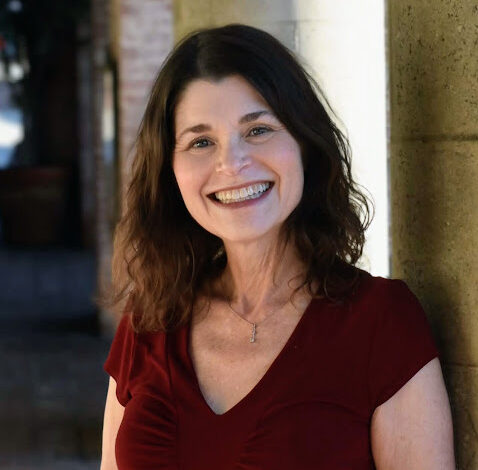
Dr. Michelle Finkel

Dr. Finkel is a graduate of Stanford University and Harvard Medical School. On completing her residency at Harvard, she was asked to stay on as faculty at Harvard Medical School and spent five years teaching at the world-renowned Massachusetts General Hospital. She was appointed to the Assistant Residency Director position for the Harvard Affiliated Emergency Medicine Residency where she reviewed countless applications, personal statements and resumes. Read more

Receive FREE Insider Medical Admissions Tips.

Listen to Dr. Finkel’s interview on The Visible Voices podcast: 


Listen to Dr. Finkel’s interview on the White Coat Investor podcast:

Listen to Dr. Finkel’s interview on the FeminEm podcast: