Blog Archives

International Medical Graduate Performance in the 2014 Match

Many of you already know that the ECFMG® (Educational Commission for Foreign Medical Graduates) is a certifying, advocate organization for International Medical Graduates. Each year, the ECFMG publishes data on International Medical Graduate performance in the Match.

ECFMG posted their results recently: In 2014 53.0% of U.S. citizen IMGs obtained first year positions through the Match. Of those IMGs who were not U.S. citizens, 49.5 % matched (Source: ECFMG®).

Considering this reality, it’s important for current IMGs to approach the application process by ensuring they apply broadly to residency programs.

Tags: , ,

Medical School Admissions

Medical School Admissions Timeline

medical school application and medical school admissionsEvery year in June I receive panicked requests from pre-meds, begging me to edit documents urgently. Don’t be one of those people! Here is a safe timeline for you to follow to avoid the frenzy:

Now: 1. Draft your AMCAS activities (maximum 700 characters) and your three most meaningful paragraphs (maximum 1325 characters). Also, complete a strong draft of your personal statement. Then get expert editing help. Expect to spend several weeks updating your written documents after aggressive edits. 2. Request all letters of recommendation if you have not already. If your school has a pre-medical committee that requires an interview, set yours up immediately.

June 3: Submit your AMCAS.

July through early August: Complete your secondaries. Set aside time now to ensure you will be able to complete the multiple essays in a timely and thorough fashion.

September: Complete mock interviews with an adivsor who has admissions experience. Practice, practice, practice.

October through winter: Interview. (I’ve seen applicants who submitted their AMCASes at the beginning of June receive medical school acceptances as early as October.)

Winter through spring: Celebrate acceptances and send letters of intent to wait list schools. Consider “second looks” to help make matriculation decisions and to show wait list schools you are interested.

Summer: Enjoy your freedom.

Tags: ,

Avoid Medical School and Residency Application Missteps

Please check out my recent Student Doctor Network piece  to help you avoid big admissions bloopers.

Tags:

Choosing your Medical Specialty

The medical education system is really quite twisted: We spend a mere 2-12 weeks exposed to a specialty and then must make a quick decision as to whether we want to spend the rest of our careers in it.

A few recommendations:

1) Understand that what you are seeing in your rotation may not jive with what you would really be doing on a day-to-day basis after training. For example, most internists don’t spend the majority of their days in the hospital, although you will likely do that on your internal medicine rotation.

2) Ask attendings what they do and don’t like about their fields. Make sure you could stomach the worst parts.

3) Consider whether you like the operating room or not.

4) Shadow a few attendings outside of rotations.

5) Study statistics on physician burnout by field.

6) Finally, do some soul searching, and don’t be afraid to be honest with yourself about your likes and dislikes. It’s okay to admit you want a reasonable lifestyle or a salary that could support a large family. Considering those “ugly” issues now may help you avoid a lot of pain later.

Tags: ,

Medical School Wait List Advice

Waitlisted for medical school? What can you do?

First, remember that the number of medical school applicants has been increasing yearly, so don’t feel insecure. Medical school admissions have become increasingly competitive, and being on the wait list is better than being rejected, despite the anxiety you feel.

Here are a few things you can do:

1. Send a letter of intent. Let the school know of your continued interest and any new accomplishments. Ensure the letter is well written and brief. In the letter, don’t make the mistake of dwelling on the school’s strengths when you should be highlighting yours.
2. Ask the school if you can set up a second look: Show them you are serious, and provide yourself with more data if you are later offered a spot.
3. Don’t neglect other options or opportunities, focusing all of your attention on this institution to the exclusion of others.
4. Plan for last minute notice. I’ve heard of acceptances being offered to applicants off the wait list the day before medical school was to begin!

Above all, try to keep your chin up despite the expected stress.

Tags: , ,

About Dr. Michelle Finkel

Dr. Michelle Finkel

Dr. Finkel is a graduate of Stanford University and Harvard Medical School. On completing her residency at Harvard, she was asked to stay on as faculty at Harvard Medical School and spent five years teaching at the world-renowned Massachusetts General Hospital. She was appointed to the Assistant Residency Director position for the Harvard Affiliated Emergency Medicine Residency where she reviewed countless applications, personal statements and resumes. Read more

Receive FREE Insider Medical Admissions Tips.

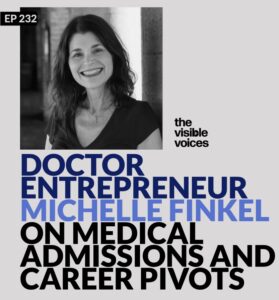
Listen to Dr. Finkel’s interview on The Visible Voices podcast: 


Listen to Dr. Finkel’s interview on the White Coat Investor podcast:

Listen to Dr. Finkel’s interview on the FeminEm podcast: