


 Here’s a quick reminder for med school applicants that 2014 AMCAS opens for submission tomorrow, June 4. For more information, check out this AMCAS web page for applicants.
Blog Archives
AMCAS Calendar
Sleep Deprivation is a Form of Torture
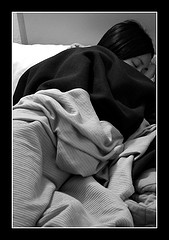 As a resident, I spent one horrific week on my surgical rotation clocking 138 hours in the hospital…and I slept only 6 1/2 of those. By the end of the week, I had decided to quit residency. Fortunately, a good night’s sleep helped me turn that decision around.
Pauline Chen MD recently wrote a piece in the New York Times called “The Impossible Workload for Doctors in Training” in which she argued that the ACGME’s (Accreditation Council for Graduate Medical Education) work hour improvements over the last decade have not been effective. After the Libby Zion case, the ACGME started mandating fewer work hours for residents for their safety and the safety of their patients. The most recent (2011) rules do not allow interns to work more than 16 consecutive hours.
Dr. Chen’s point is that because the volume of work has increased, limiting the number of hours has not been an adequate way to address the problem of over-tired residents. In other words, even if someone is working fewer hours, if she’s managing many more patients in a shorter time period, safety is still a major concern. There are studies and anecdotes to support her assertion that are cited within the article.
Of course, the solution is not to go back to the previous work hours – nor to continue as is. More funding needs to be allotted to residency positions. Not only would this alleviate the workload problem, it would mitigate the physician shortage crisis. We have a lot of medical students; the bottle neck comes in residency positions. If we had more training spots, we could train more doctors and consequently, offer more primary and preventive care, while providing increased safety to residents and their patients. It would be a win-win-win.
That week on my surgical rotation was particularly bad, but I had many, many others that were also minimally human. We would not accept heavy or dangerous work loads for pilots or police officers. We need to reject them for doctors-in-training as well.
Tags: Accreditation Council For Graduate Medical Education, Acgme, Anecdotes, Consecutive Hours, Dangerous Work, Dr Chen, Education Work, Graduate Medical Education, Interns, Last Decade, Libby Zion, Medical Students, New York Times, Pauline Chen, Physician Shortage, Preventive Care, Shortage Crisis, Sleep Deprivation, Work Loads, Workload
When Your Debt Affects Your Dates Part 2
The New York Times recently ran Perfect 10? Never Mind That. Ask Her for Her Credit Score, an article that might worry some single pre-meds.
Along those lines, here’s an interesting piece by guest blogger David Z. Presser MD MPH that specifically addresses medical school debt and romance.
Be afraid. Be very afraid.
Tags: Addresses, Credit Score, Medical School Debt, Meds, Nbsp, New York Times, Presser, Romance
Medical School and Residency Interview Social Events: Dine but Don’t Whine
In an effort to attract desirable applicants, some medical schools and residency programs invite candidates to social events immediately before or during the interview day. The events usually include dinner, lunch, or even drinks with the students or residents.
It’s in your interest to attend these events: They show institutions that you are serious about their programs, afford you the opportunity to score social points, and allow you to gain valuable information about the students’ or residents’ satisfaction.
One insider piece of advice, however: Ensure you act professionally even if you are told that what you say will not affect your candidacy or get back to admissions. Even if everyone has good intentions, information garnered from these events can make its way to decision-makers. If you had a bad experience at the interview day, have a significant other who doesn’t want to move, or know your first choice is a different program, these social events are not the time to reveal that information.
For insider help with medical school or residency interviews, contact me.
Think Before You Post
Before you tweet that racy comment or post a picture of yourself partying on Facebook, I recommend you pause. A recent study “Social Network Activity May Affect Medical School Acceptance” from the Postgraduate Medical Journal indicates that social networking is affecting medical school and residency admissions. Nine percent of the medical school and residency program survey participants acknowledged routine use of social networking sites as part of the selection process.
The American Medical Association has advised doctors that social network content can adversely affect physicians’ reputations. That advice seems straightforward. However, what troubles me is that admissions officers can intentionally or subconsciously form negatively judgments about applicants based on the candidates’ family situations (e.g. a woman applicant with a new baby), political leanings, or romantic relationships.
Contact me for help with your residency application and medical school candidacy.
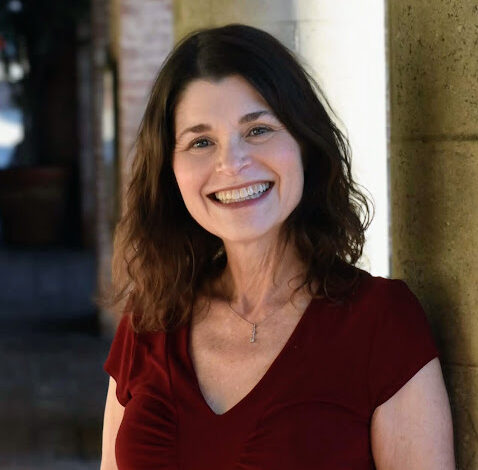
Dr. Finkel is a graduate of Stanford University and Harvard Medical School. On completing her residency at Harvard, she was asked to stay on as faculty at Harvard Medical School and spent five years teaching at the world-renowned Massachusetts General Hospital. She was appointed to the Assistant Residency Director position for the Harvard Affiliated Emergency Medicine Residency where she reviewed countless applications, personal statements and resumes. Read more
Listen to Dr. Finkel’s interview on The Visible Voices podcast:
Listen to Dr. Finkel’s interview on the White Coat Investor podcast:
Listen to Dr. Finkel’s interview on the FeminEm podcast: