
Blog Archives

Make Sure to Read the Fine Print

Many years ago a medical school applicant told me the following story:

The student sent follow up notes to all schools where he had interviewed, usually a strategic move. However, he was very upset to receive a brusque note from one of the institutions telling him that a) he should have read their policies; they do not allow post-interview contact and b) he was rejected from the school.

I found the school’s note extremely severe – almost cruel – and I strongly suspect the post-interview contact was not related to his rejection. (As an aside, he successfully and happily matriculated at another school.) But this story is a reminder that it’s important to read institutions’ policies about post-interview and post-waitlist contact. Most places welcome written updates, but make sure to confirm before you reach out.

Tags: , , ,

Consider Ten Ways to Improve your Medical School Application

New Year’s resolutions are notoriously hard to realize. But there are smart tips for executing them, including making sure goals are specific and truly achievable within a reasonable time frame. That’s why starting early on your medical school candidacy is important. The beginning of the year is a great time for pre-meds to redouble their efforts toward their academic and professional goals. 

As always, I recommend a very focused approach that allows you to do more of what you want and less of what you don’t. Think research will help your candidacy but don’t like being in the lab? Consider public health or clinical investigations. Think volunteerism will bolster your application but don’t like being one of a crowd in a group project? Select a setting that allows you to work independently: Several of my clients have chosen to volunteer on a crisis line – from home.

There are definitely necessary elements to any robust medical school candidacy (clinical experience, strong grades, a reasonable MCAT score), but being a pre-med can also be fun, mind-broadening, and career-affirming.

Here’s a piece I wrote for Student Doctor Network showcasing ten ways to improve your medical school application. The idea is to give you direction but also leeway to be a happy applicant – not just a strong one.

To create a plan for your medical school candidacy, secure a Strategy Session with me here.

Tags: , , ,

Diversity in Medical School?

The AAMC recently published a piece about racial, socioeconomic, and gender diversity in 2023-4 medical school classes. The good news is that there’s some more representation of those from Latino and Native American backgrounds. 

African-American student enrollment remained mostly stable.

Women matriculants rose slightly to 56.6%. Economic diversity was still a problem. See the article here for details.

Interestingly, those who entered medical school in 2023-4 had a median undergraduate GPA of 3.84, which was even higher than in previous years.

Tags: , , ,

A Bad Prognosis for Emergency Medicine

I read a fascinating piece by Dr. Thomas Cook in the December edition of Emergency Medicine News. In it, he cites work done by Cameron Gettel, MD who devised an interesting way to assess the attrition rate of emergency physicians (EPs): Gettel and his colleagues used data from the Centers for Medicare and Medicaid Services (CMS), noting which healthcare providers stopped billing CMS for emergency medical services. Gettel used this information to calculate the attrition rate for EPs. What he and his colleagues found is that the EP attrition rate was approximately 5% prior to the pandemic while it shot up to approximately 8% in urban spots and more than 11% in rural areas during the first year of the pandemic.

Using information from the American Board of Emergency Medicine, Gettel found – shockingly – that the median age of attrition for male EPs was 53.5 years and for female EPs was 43.7 years in 2019. This means that the median EP career was around 23 years long for men and fewer than 14 years long for women. Wow!

It’s absolutely critical that medical students who are considering a career in emergency medicine think about what their professional trajectory might be, considering the short median lifespan of the typical EP.

For more information on this interesting topic and how attrition might affect the job market, the need for physician personal finance training, and who applies to emergency medicine, see Dr. Cook’s piece here.

Tags: , , ,

The AAMC Will Expand the FAP to Include Some Residency Applicants

The American Association of Medical Colleges has announced that they will expand their Fee Assistance Program to certain residency applicants starting with the 2024-5 ERAS application season. At that time, the FAP will include residency candidates who were previously approved for the program during their medical school application process. The qualifying candidates will receive a 60% fee discount on up to 50 ERAS applications. This is great news for medical students who have severe financial needs. The AAMC reports that it will be providing more information in the following months.

Tags: , , ,

About Dr. Michelle Finkel

Dr. Michelle Finkel

Dr. Finkel is a graduate of Stanford University and Harvard Medical School. On completing her residency at Harvard, she was asked to stay on as faculty at Harvard Medical School and spent five years teaching at the world-renowned Massachusetts General Hospital. She was appointed to the Assistant Residency Director position for the Harvard Affiliated Emergency Medicine Residency where she reviewed countless applications, personal statements and resumes. Read more

Receive FREE Insider Medical Admissions Tips.

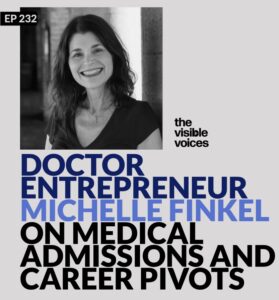
Listen to Dr. Finkel’s interview on The Visible Voices podcast: 


Listen to Dr. Finkel’s interview on the White Coat Investor podcast:

Listen to Dr. Finkel’s interview on the FeminEm podcast: