


Many of you know that I’m a fan of the sweet and informative podcast Your College Bound Kid. In recent episode 556, a student called in asking if she should change her career path away from medicine in light of the newest tax bill. Host Mark Stucker offered a deep-dive answer that I’d recommend. You can start listening at 9:55.
Blog Archives
Going to Medical School in the Shadow of the New Tax Bill
Tags: Medical Careers, Medical School, money, podcast
Numbers of Black and Hispanic Medical School Matriculants Have Declined, a Problem that May Intensify
A recent piece by the Kaiser Family Foundation (KFF) predicts that numbers of underrepresented minorities in medical school may dwindle further amid recent executive orders regarding diversity, equity, and inclusion in federally funded programs.
After the 2024 Supreme Court ruling that race-conscious college admissions policies violated the 14th Amendment, numbers of Black and Hispanic matriculants to medical school fell by double-digit percentages compared with the previous year.
This downswing was particularly troubling, considering that higher proportions of Black primary care doctors are correlated with longer life expectancy and lower mortality rates for Black individuals, according to a 2023 JAMA Network research article. Furthermore, a variety of studies have shown insidious biases against Black patients.
According to the Association of American Medical Colleges, in 2024-5, Black medical school enrollees declined 11.6% and students of Hispanic origin fell 10.8%. The decline in enrollment of American Indian or Alaska Native students was 22.1%. New Native Hawaiian or other Pacific Islander enrollment declined 4.3%.
Here is the KFF piece.
Is Making Medical School Tuition-Free Doing What it’s Supposed to?
Six years ago, when Kenneth and Elaine Langone generously donated $100 million so that students could attend NYU Medical School tuition-free, the philanthropists’ main goal was to encourage more graduating doctors to enter primary care fields.
Fast forward: In 2024, the number of NYU graduating medical students who went into primary care was about the same as it was in 2017. Furthermore, in the interim, the number of African-American students has declined – although the number of Latinos grew slightly. Additionally, at least in the first two years of the experiment, the percentage of incoming matriculants categorized as “financially disadvantaged” fell from 12% to 3%.
One thing that has improved is NYU’s rankings and reputation.
All of this begs the question: Is making medical school tuition-free the most effective way to increase the number of primary care practitioners and improve equity?
See this clearly-written Atlantic article by Rose Horowitch for a deeper dive into the query. She was also recently interviewed by Kai Ryssdal on NPR’s Marketplace .
Tags: Diversity, Fees, Medical School, Medical School Debt
After You Get In
The AAMC recently published a piece called “Congratulations, you got into medical school! Now what?” in which staff writer Bridget Balch lists seven tips for rising first-year medical students. You can see the article here.
The author makes several suggestions, including leveraging the orientation and embracing the academic challenge, but I would highlight her recommendations to find mentors and prioritize your health.
Identifying strong mentors not only affords you the potential for good letters of recommendation and little-known opportunities, but also doing so can support you when medical school is a terrible grind. Mentors can be especially important role models for women and those in traditionally underrepresented groups. The key is to assert yourself and overcome feelings of insignificance. Many faculty are eager to meet and guide students.
With regard to physical and emotional health, I’ve written recently and many times in the past about clinician burnout and depression. Medical school can be a time of significant contraction in your life. Make sure to care for yourself physically and seek mental help when needed.
In the meantime, before school starts, take a well-deserved break!
A Novel Approach: Reading throughout your Rotations
I had a thoughtful advisee years back who told me about an interesting plan she had made for herself: As she rotated through different specialties during medical school, she read a book appropriate to each field. For internal medicine, she read “Being Mortal,” by Atul Gawande. For neurology, she read the classic “The Man who Mistook his Wife for a Hat,” by Oliver Sacks. For surgery, she read “When Breath Becomes Air,” a beautiful book by Paul Kalanithi. The list goes on.
I was impressed by this contemplative approach to third and fourth year. So many of us are understandably focused on Shelf Exams and letters of recommendation that we don’t give ourselves a chance to comprehensively reflect on our subject matter and patients’ experiences.
If you have a moment, please check out a few book recommendations I have for those in the medical field. Perhaps my advisee’s stellar plan can be one that other medical students adopt. (You’ll see that I strongly recommend Cutting for Stone. Dr. Abraham Verghese has a new book out that I’m reading right now called The Covenant of Water.)
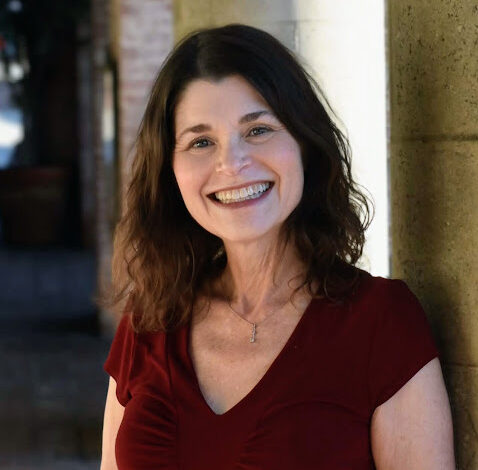
Dr. Finkel is a graduate of Stanford University and Harvard Medical School. On completing her residency at Harvard, she was asked to stay on as faculty at Harvard Medical School and spent five years teaching at the world-renowned Massachusetts General Hospital. She was appointed to the Assistant Residency Director position for the Harvard Affiliated Emergency Medicine Residency where she reviewed countless applications, personal statements and resumes. Read more
