
Blog Archives

Being Valued is Undervalued

I read an interesting JAMA study on burnout recently. We’ve all heard about the problem and its growth over the past few years. But I found the results of this study particularly interesting: The authors found that chaotic workplaces and lack of control of workload were associated with higher burnout (think emergency departments or a poorly run, overscheduled clinic), while efficient teamwork and feeling valued were associated with lower burnout. People sometimes pay lip service to the importance of being appreciated, but this study really proves its significance.

It’s worth considering this study’s results when making decisions about what field to choose, where to train, and what position to take after residency. Here’s the article.

Tags: , , ,

Understaffing is Affecting Patient Care

I am only middle aged, and yet, so many of my cohort, including myself, have recently left clinical medicine. There are layer upon layer upon layer of reasons: Even before the pandemic, burnout and discouragement about the current healthcare system were big problems amongst providers. Then, COVID facilitated more departures because of the need to stay home to care for children or even illness and death, sadly. Finally, the national workforce shortage and economic cuts have led to a real crisis in our medical system. 

See this piece by Dr. George Hyde, a pediatric resident at Harbor UCLA, as he describes how understaffing is directly harming patient care.
Tags: , , ,

Medscape’s National Physician Burnout Report 2021 is out – and it’s Troubling

The Medscape National Physician Burnout & Suicide Report 2021 is now available, and it seems rather evident that the pandemic has negatively affected physicians who were already under a lot of stress, especially those in critical care medicine.

More than half of critical care physicians report being burned out (51%), and critical care ranks as the highest specialty in the burnout questionnaire, followed by rheumatology (50%) and infectious disease (49%). Those numbers compare with last year’s report at 44%, 46%, and 45%, respectively. This year, my field of emergency medicine (EM) was at 44%, which sounds high, but, sadly, EM was not even in the top ten burned out specialties. That gives you an idea of the severe scope of the problem.

Women reported burnout at 51% compared to 36% for men, and while this disparity has been present for many years, the discrepancy between the genders was greater in this most recent report.

Seventy-nine percent of those surveyed relayed that their burnout started before COVID, while 21% reported after. Bureaucratic tasks and too many hours at work were the major reported contributors to burnout.

Take a look at the Medscape National Physician Burnout & Suicide Report 2021 slide deck yourself for more interesting details, and check out my Kevin MD piece on EM burnout here.

Tags: , , ,

Burnout and Does the Patient Always Come First?

Although written somewhat tongue-in cheek, “A Totally Novel Concept: The Patient Comes Second” – sent to me by an emergency medicine colleague – is worth a quick read. Considering the huge problem with physician burnout, putting the patient second sometimes is an interesting intellectual exercise.

Tags: , ,

Medscape National Physician Burnout Report 2020 is Out – Yikes!

The Medscape National Physician Burnout & Suicide Report 2020 has been published, and its results are as interesting as past years’.

The report’s most burned out specialty was…. drum roll please…urology. Fifty-four percent of urologists surveyed reported burnout. Next came neurology (50%) and nephrology (49%). The least burned out fields were public health and preventive medicine (29%), ophthalmology (30%), and orthopedics (34%). Note that my field of emergency medicine is not in the top 5 this year. (Congrats.) However, a whopping 43% of emergency physicians report burnout. 

This year Medscape compared burnout in Millenials (25-39 years old), Generation Xers (40-54), and Baby Boomers (55-73). According to the survey, Generation Xers are the most burned out at 48% compared to 38% for Millenials and 39% for Baby Boomers, although there may be other age-related, non-career issues that lead to burnout in the Xers like caring for children and aging parents.

Women suffer from significantly more burnout than men (48% versus 37%). 

Take a look at the Medscape National Physician Burnout & Suicide Report 2020 slide show yourself, and check out my Kevin MD piece on burnout here

Tags: , , ,

About Dr. Michelle Finkel

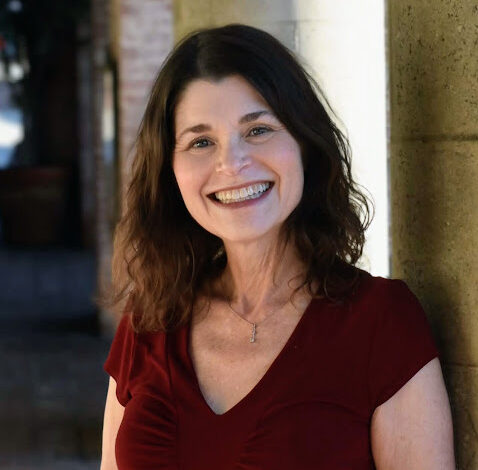
Dr. Michelle Finkel

Dr. Finkel is a graduate of Stanford University and Harvard Medical School. On completing her residency at Harvard, she was asked to stay on as faculty at Harvard Medical School and spent five years teaching at the world-renowned Massachusetts General Hospital. She was appointed to the Assistant Residency Director position for the Harvard Affiliated Emergency Medicine Residency where she reviewed countless applications, personal statements and resumes. Read more

Receive FREE Insider Medical Admissions Tips.

Listen to Dr. Finkel’s interview on The Visible Voices podcast: 


Listen to Dr. Finkel’s interview on the White Coat Investor podcast:

Listen to Dr. Finkel’s interview on the FeminEm podcast: