


This NYT article regarding college students’ recruitment to Wall Street is compelling. The author highlights the financial incentives that direct students to financial careers – and away from graduate degrees like medicine.
Blog Archives
AMCAS
Here’s a reminder that the 2013 AMCAS application is scheduled to open tomorrow, Tuesday, May 1; you will be able to submit your application as early as June 5.
The first day that AMCAS will begin transmitting application data to medical schools is June 29, which means an applicant who is really on top of things could receive secondary applications as early as the 29th!
I recommend watching the AAMC’s video for details about dates and changes to this year’s AMCAS.
Please contact me early for assistance. Last year some of my most organized clients were admitted to medical school as early as October.
Friendly Reminder…
Just a tip: If you are applying to residency or medical school (especially the latter) during the upcoming cycle, now is the time to get working on your personal statement. Good writing takes a long time.
Also, although my editing turn around time is always very fast (see my testimonials page regarding this topic), sending me your draft now will help you (and me :)) avoid the summer rush.
Outside of the Box
Now that the new year is here, many pre-meds, medical students and residents will be asked to finalize their schedules for the next year or more. Although it’s easy to get wrapped up in it all, I wanted to put in a plug for something a bit unconventional – time away from the field entirely.
When I was in medical school, I took almost a year away to travel and explore journalism, a career that had always interested me. I obtained a small grant to conduct research in Mexico and then backpacked with some friends through Mexico and Guatemala. I also spent a month in Thailand. Additionally, I was awarded an American Association for the Advancement of Science Mass Media Fellowship in Science Writing, so I worked in Portland at the Oregonian writing articles for the paper.
Taking time away from medicine is not an option for everyone: Some institutions do not encourage it, and there is usually a financial opportunity cost. I will say, though, that being away from medicine made me appreciate it more and helped me improve several useful skills, including foreign language and writing.
If taking a scheduled break from the norm is a viable choice for you, I would strongly encourage it. The experiences I had have long-reaching effects that continue to help me as a physician today.
An Excellent Question
I recently read a NYT piece called, “Why Would Anyone Choose to Become a Doctor?” by Dr. Danielle Ofri. It’s a sweet essay written by a physician who describes being perplexed by the large number of medical school applicants yearly, considering her profession’s numerous annoyances.
As the author considers alternatives to her career, however, she comes to the conclusion that her clinical encounters make it all worthwhile. The essay is a nice pick-me-up.
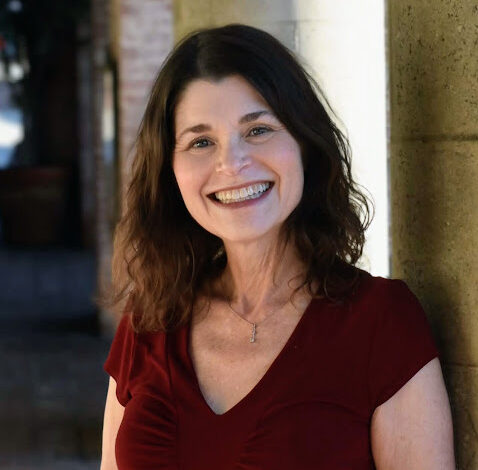
Dr. Finkel is a graduate of Stanford University and Harvard Medical School. On completing her residency at Harvard, she was asked to stay on as faculty at Harvard Medical School and spent five years teaching at the world-renowned Massachusetts General Hospital. She was appointed to the Assistant Residency Director position for the Harvard Affiliated Emergency Medicine Residency where she reviewed countless applications, personal statements and resumes. Read more
Listen to Dr. Finkel’s interview on The Visible Voices podcast:
Listen to Dr. Finkel’s interview on the White Coat Investor podcast:
Listen to Dr. Finkel’s interview on the FeminEm podcast:
