Blog Archives

Ten AMCAS Mistakes You Absolutely Want to Avoid

May 28 (the date AMCAS application verification begins) is only three days away, so as you’re completing your final review of your written materials, here’s a quick and dirty list of AMCAS Work and Activities section errors to avoid at all costs:

1. Don’t write to write, and don’t fill to the maximum character count unless necessary. While you want to include many strong achievements, you do not want your AMCAS to be so wordy that your reader is tempted to skim.

2. While you need to be brief, don’t write in phrases; use full sentences. It’s a formal application, and you want to make your written materials as readable as possible.

3. Don’t assume your reader will carefully study the “header” section (including the title of the activity, hours, etc.). Make sure your descriptor could stand alone: Instead of “As an assistant, I conducted experiments…” use “As a research assistant at a Stanford Medical School neuroscience lab, I conducted experiments…”

4. Don’t be vague or trite. Make sure you spell out your accomplishments clearly and substantively. If your reader doesn’t understand an activity, you will not get “full credit” for what you’ve done. Make no assumptions.

5. Avoid abbreviations. Again, you want to be formal, and abbreviations you think are common might not be familiar to the reader.

6. Write about yourself and your role – not an organization. For example, don’t use the space to discuss Doctors without Borders. Use it to discuss the specifics of your role at Doctors without Borders.

7. Avoid generalities and consider using numbers to be persuasive. Saying that the conference you organized had 300 participants says it all.

8. Don’t merge the descriptors with the most meaningful paragraphs because they are separate sections: You can complete descriptors for up to 15 activities with up to 700 characters each plus up to three most meaningful paragraphs of up to 1325 characters each.

9. Unless your PI won the Nobel, avoid using supervisors’ and/or doctors’ names in your descriptors as they will be meaningless to the majority of your readers.

10. Choose the right category for each activity, so you get “full credit.”

Bonus: Get help. Do not submit your medical school application without having it reviewed by someone with experience. 
Tags: , , ,

AAMC Webinar Take-Aways

The AAMC held a fantastic webinar on April 14 called “Navigating the 2027 AMCAS Application Cycle for Applicants,” which you can view here if you registered in advance of the session. I took notes and will be offering a few take home messages below and in future blog entries.

Of note, there are two updates to this year’s AMCAS:

1) Social Justice → Community Health Advocacy:

The former Social Justice/Advocacy category has been renamed Community Health Advocacy. The AAMC rep Candice Pantor (who was excellent) explained that this change is intended to emphasize action-based contributions to community and public health, while still maintaining the original intent of recognizing advocacy work. 

2) The Medical Schools section has a more user-friendly design:

The Medical Schools section now has what Pantor described as an easier look and feel. (I have not seen it yet.)

The AAMC held a “coursework” webinar last week. I’ll report on that soon. 

Tags: , , ,

Avoid These Ten Common AMCAS Mistakes

Here’s a brief list of AMCAS Work and Activities section errors to avoid at all costs:

1. Don’t write to write. While you want to include many strong achievements, you do not want your AMCAS to be so wordy that your reader is tempted to skim.

2. While you need to be brief, don’t write in phrases; use full sentences. It’s a formal application, and you want to make your written materials as readable as possible.

3. Don’t assume your reader will carefully study the “header” section (including the title of the activity, hours, etc.). Make sure your descriptor could stand alone: Instead of “As an assistant, I conducted experiments…” use “As a research assistant at a Stanford Medical School neuroscience lab, I conducted experiments…”

4. Don’t be vague, dramatic, or trite. Make sure you spell out your accomplishments clearly and substantively. If your reader doesn’t understand an activity, you will not get “full credit” for what you’ve done. Make no assumptions.

5. Avoid abbreviations. Again, you want to be formal; plus, abbreviations you think are common might not be familiar to the reader.

6. Write about yourself and your role – not an organization. For example, don’t use the space to discuss Doctors without Borders. Use it to discuss the specifics of your role at Doctors without Borders.

7. Avoid generalities and consider using numbers to be persuasive. Saying that the conference you organized had 300 participants says it all.

8. Don’t merge the descriptors with the most meaningful paragraphs because they are separate sections: You can complete descriptors for up to 15 activities with up to 700 characters each plus up to three most meaningful paragraphs of up to 1325 characters each.

9. Unless your PI won the Nobel, avoid using supervisors’ and/or doctors’ names in your descriptors as they will be meaningless to the majority of your readers.

10. Choose the right category for each activity, so you get “full credit.” (Please note AMCAS added a category last year called “Social Justice/Advocacy.”)

Bonus: Get help. Do not submit your medical school application without having it reviewed by someone with a lot of experience. You do not want to showcase suboptimal materials for a process that is this important and competitive.

Tags: , , ,

How to Adeptly Complete the AMCAS Other Impactful Experiences Section

Last year the Association of American Medical Colleges (AAMC) gutted the AMCAS Disadvantaged Status section, replacing it with the Other Impactful Experiences, which allows for a broader approach to challenges that can adversely affect an applicant’s life and candidacy. 

In other words, when you’re considering the Other Impactful Experiences essay, consider financial barriers, but also issues like learning disabilities, immigration experiences, caregiving roles, etc. Here is some guidance from the AAMC.

Tags: , , ,

What to do Once Your AMCAS is Submitted

Tomorrow – May 30 – is the first day applicants can submit their AMCASes. Please see my recent blog about the advantages of submitting an optimal application on the earlier side

Once your AMCAS is submitted, take a deep breath, relax for a few days, and then start thinking about your secondary essays. Here are a couple of blogs on secondaries, including how to get started on the “Why Our School” prompt and how to approach a diversity prompt

Also, once the AMCAS is in, take a moment to do some soul searching about what you’re seeking geographically, philosophically, and educationally. You want to make considered decisions when the time comes.

Finally, you can start practicing for your interviews. Here is information on my mock interview services.

Tags: , , ,

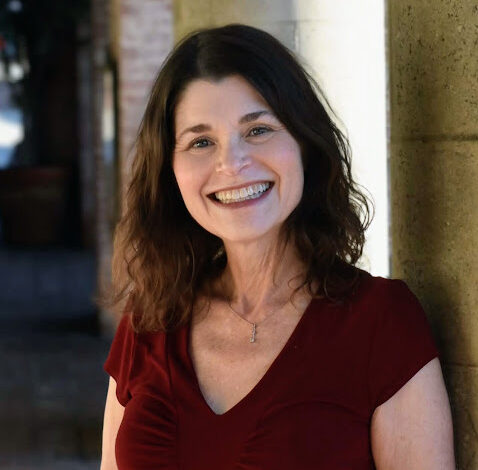
About Dr. Michelle Finkel

Dr. Michelle Finkel

Dr. Finkel is a graduate of Stanford University and Harvard Medical School. On completing her residency at Harvard, she was asked to stay on as faculty at Harvard Medical School and spent five years teaching at the world-renowned Massachusetts General Hospital. She was appointed to the Assistant Residency Director position for the Harvard Affiliated Emergency Medicine Residency where she reviewed countless applications, personal statements and resumes. Read more

Receive FREE Insider Medical Admissions Tips.

Listen to Dr. Finkel’s interview on The Visible Voices podcast: 


Listen to Dr. Finkel’s interview on the White Coat Investor podcast:

Listen to Dr. Finkel’s interview on the FeminEm podcast: