Blog Archives

A Great Opportunity for College Premeds

Applications for the Summer Healthcare Professionals Education Program (SHPEP), a Robert Wood Johnson funded opportunity for college students interested in healthcare professions, open on November 1. SHPEP specifically targets students from economically or educationally disadvantaged backgrounds and those with demonstrated interest in issues affecting underserved populations. The goal is to help college freshmen, sophomores, and juniors apply and matriculate successfully to health professions schools. SHPEP is housed at 10 universities across the country with different start dates – all over the summer. Housing, meals, stipend, and travel expenses are all paid.

Take a look at the program’s FAQ page here. The application deadline is February 5.

Tags: , , ,

Avoid These Ten Common AMCAS Mistakes

Here’s a brief list of AMCAS Work and Activities section errors to avoid at all costs:

1. Don’t write to write. While you want to include many strong achievements, you do not want your AMCAS to be so wordy that your reader is tempted to skim.

2. While you need to be brief, don’t write in phrases; use full sentences. It’s a formal application, and you want to make your written materials as readable as possible.

3. Don’t assume your reader will carefully study the “header” section (including the title of the activity, hours, etc.). Make sure your descriptor could stand alone: Instead of “As an assistant, I conducted experiments…” use “As a research assistant at a Stanford Medical School neuroscience lab, I conducted experiments…”

4. Don’t be vague, dramatic, or trite. Make sure you spell out your accomplishments clearly and substantively. If your reader doesn’t understand an activity, you will not get “full credit” for what you’ve done. Make no assumptions.

5. Avoid abbreviations. Again, you want to be formal; plus, abbreviations you think are common might not be familiar to the reader.

6. Write about yourself and your role – not an organization. For example, don’t use the space to discuss Doctors without Borders. Use it to discuss the specifics of your role at Doctors without Borders.

7. Avoid generalities and consider using numbers to be persuasive. Saying that the conference you organized had 300 participants says it all.

8. Don’t merge the descriptors with the most meaningful paragraphs because they are separate sections: You can complete descriptors for up to 15 activities with up to 700 characters each plus up to three most meaningful paragraphs of up to 1325 characters each.

9. Unless your PI won the Nobel, avoid using supervisors’ and/or doctors’ names in your descriptors as they will be meaningless to the majority of your readers.

10. Choose the right category for each activity, so you get “full credit.” (Please note AMCAS added a category last year called “Social Justice/Advocacy.”)

Bonus: Get help. Do not submit your medical school application without having it reviewed by someone with a lot of experience. You do not want to showcase suboptimal materials for a process that is this important and competitive.

Tags: , , ,

Choose the Right Category for your AMCAS Experiences

AMCAS provides 18 categories in which you can classify your experiences. They are:

Artistic Endeavors
Community Service/Volunteer – Not Medical/Clinical
Community Service/Volunteer – Medical/Clinical
Conferences Attended
Extracurricular Activities
Hobbies
Honors/Awards/Recognitions
Intercollegiate Athletics
Leadership – Not listed elsewhere
Military Service
Other
Paid Employment – Medical/Clinical
Paid Employment – Not Medical/Clinical
Physician Shadowing/Clinical Observation
Presentations/Posters
Publications
Research/Lab
Teaching/Tutoring/Teaching Assistant  

Sometimes an activity matches two categories. When that happens, lean on the clinical classificiation, if applicable. (For example, if your activity is both Leadership and Community Service – Medical/ Clinical, choose the latter.) If clinical is not relevant, then choose the category in which you have the fewest activities.

A client who came to me as a re-applicant a few years back told me that a school from which she was rejected indicated that they had not counted a clearly clinical activity as clinical because she had classified it differently. So be sure you consider the categories deliberately in crafting your AMCAS.  

Tags: , , ,

Choose the Right Category for your AMCAS Experiences

AMCAS provides 18 categories in which you can classify your experiences. They are:

Artistic Endeavors
Community Service/Volunteer – Not Medical/Clinical
Community Service/Volunteer – Medical/Clinical
Conferences Attended
Extracurricular Activities
Hobbies
Honors/Awards/Recognitions
Intercollegiate Athletics
Leadership – Not listed elsewhere
Military Service
Other
Paid Employment – Medical/Clinical
Paid Employment – Not Medical/Clinical
Physician Shadowing/Clinical Observation
Presentations/Posters
Publications
Research/Lab
Teaching/Tutoring/Teaching Assistant

Sometimes an activity can match two categories. When that happens, lean on the clinical categories, if applicable. (For example, if your activity is both Leadership and Community Service – Medical/ Clinical, choose the latter.) If clinical is not relevant, then choose the category in which you have the fewest activities.

A client who came to me as a re-applicant a few years back told me that a school from which she was rejected indicated that they had not counted a clearly clinical activity as clinical because she had classified it differently. So be sure you consider the categories deliberately in crafting your AMCAS.

Tags: , , ,

Medical School Applicants: Here’s How to Hit the Ground Running

For those applicants looking forward to starting their medical education next August and those who just started a few months ago, here’s a piece called, “Setting the Right Goals During Medical School.” How do you set yourself up for a successful residency Match while avoiding burnout? This short piece will give you some ideas to chew on.

Tags: , , ,

About Dr. Michelle Finkel

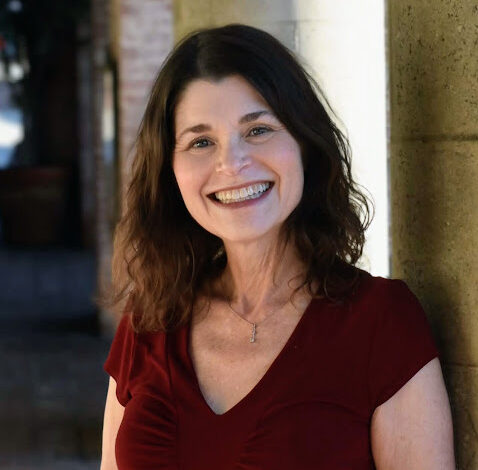
Dr. Michelle Finkel

Dr. Finkel is a graduate of Stanford University and Harvard Medical School. On completing her residency at Harvard, she was asked to stay on as faculty at Harvard Medical School and spent five years teaching at the world-renowned Massachusetts General Hospital. She was appointed to the Assistant Residency Director position for the Harvard Affiliated Emergency Medicine Residency where she reviewed countless applications, personal statements and resumes. Read more

Receive FREE Insider Medical Admissions Tips.

Listen to Dr. Finkel’s interview on the White Coat Investor podcast:

Listen to Dr. Finkel’s interview on the FeminEm podcast: