
Blog Archives

Three-Year Medical School?

Ezekiel Emmanuel recently wrote a piece in the New York Times with two collaborators arguing the benefits of changing medical school to three years from four. The primary point was financial: Starting next year, under the “One Big Beautiful Bill Act,” federal student loans for those in professional graduate programs will be capped at $50,000 per year. Grad PLUS loans will be eliminated completely, leaving half of medical students in the lurch.

Dr. Emmanuel and his collaborators point out that most medical students now arrive with upper-level academic background in sciences and that fourth-year medical school is almost like a “gap year.” While I hesitate to agree with those two points, I do think he and his colleagues make other reasonable assertions: For example, making medical school harder to pay for will lead to fewer students from rural backgrounds and therefore fewer future physicians who will work in those needy areas.

Take a look at the piece here.
Tags: , , ,

The New York Times Ethicist

I field questions from clients about how to identify themselves racially and ethnically on their applications, and as diversity becomes a more prominent priority for many academic institutions, this issue will come up more often. The New York Times Ethicist answers an interesting moral dilemma posed by a medical school applicant in a recent column. Enjoy. 

Tags: , , ,

Flaunting our Failures?

The New York Times had a recent, thought-provoking article for perfectionists, overachievers, those with impostor syndrome, and any combination of the above. “Do you Keep a Failure Resume?” is a great reminder that chronicling our failures (something that isn’t encouraged in medicine) can help us determine what the operational roadblocks were to our successes so that we avoid those obstacles in the future. (Perhaps the issue was lack of preparation or speeding through a project unnecessarily.) Reviewed in retrospect, an “anti-portfolio” is also a good reminder that a failure is sometimes the first step to a success in another realm.

Tags: , , ,

Do No Harm

I recommend reading this piece in Emergency Medicine News by Dr. Graham Walker. He writes about a physician colleague who recently committed suicide. The article notes that anesthesiologists and surgeons are the most likely to die by suicide, and emergency physicians come next in the specialties.

As a follow up, this NYT piece on physician suicide is also worth a read – old but still relevant. Sadly, it notes that pre-meds enter medical training with mental health profiles similar to those of their peers but end up experiencing depression at greater rates.

I’ve written about depression in doctors before and would like to reinforce the importance and urgency of seeking professional help for depressed clinicians.  

Tags: , , ,

Paralympic-Medalist Physician Asks to be Recognized for her Tremendous Abilities, Not her Wheelchair

Check out this well-written New York Times piece by Dr. Cheri Blauwet, an American wheelchair racer (Paralympic and Olympic medal winner) and physician in PM&R. I’m sure Dr. Blauwet’s assertions are true about bias among patients, colleagues, and admissions officers: In my career, I’ve met very few doctor colleagues with overt physical disabilities.

Tags: , , ,

About Dr. Michelle Finkel

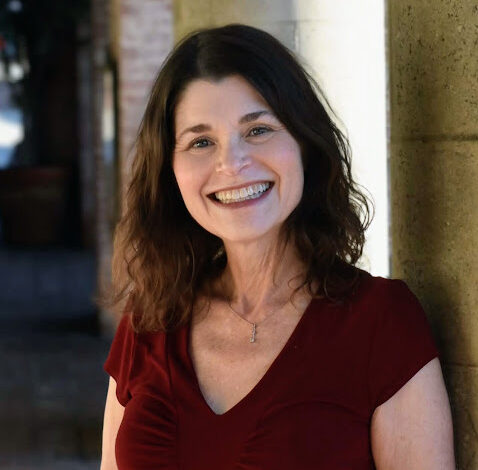
Dr. Michelle Finkel

Dr. Finkel is a graduate of Stanford University and Harvard Medical School. On completing her residency at Harvard, she was asked to stay on as faculty at Harvard Medical School and spent five years teaching at the world-renowned Massachusetts General Hospital. She was appointed to the Assistant Residency Director position for the Harvard Affiliated Emergency Medicine Residency where she reviewed countless applications, personal statements and resumes. Read more

Receive FREE Insider Medical Admissions Tips.

Listen to Dr. Finkel’s interview on the White Coat Investor podcast:

Listen to Dr. Finkel’s interview on the FeminEm podcast: