


Here’s some interesting information from the Association of American Medical Colleges on the recently proposed Graduate Medical Education (GME) Bill. The legislation’s intent is to increase the number of residency training slots in an effort to improve the U.S. physician shortage problem
Blog Archives
How to Be Happy in Residency
I’m sending a big congratulations to all of those residency candidates who successfully matched last week! Next year will be the start of something wonderful and challenging. Here are my tips for being happy (or at least as happy as possible) during residency:
1. Physician heal thyself. You will be working a ton, but eating healthfully and getting exercise will make everything a little better.
2. You’ve got a friend. You may be working 80-hour weeks, but plan to spend at least half an hour every week catching up with someone who makes you laugh.
3. Vacation – all I ever wanted. Figure out somewhere fun you want to travel when you are not working, and then happily anticipate the trip.
4. Date night. Take time out for your spouse or partner. Although I was not yet married when I trained, I remember being upset by seeing several marriages and relationships split up. You can never get that back. (This advice goes for children too, if you have them. You have an even greater challenge ahead of you than most if you are a parent in residency.)
5. Dance dance party party. Knitting, hiking, dancing, watching movies, kayaking, reading – whatever it is , do not let yourself become unidimensional.
6. Realize that the honking drivers have simply had a bad day. When I was in medical school, a brilliant upper classman came to speak to us about being on the wards. He told us that when someone aggressively honks at you on the road, it’s often because s/he in a bad mood – not because you are about to cause an accident. The same is true in the hospital. Tired, burned out professionals can make you feel bad. Don’t let them.
Physician Heal Thyself By Getting Help
I wrote recently about burnout, which affects 37.9% of doctors, as compared to 27.8% of the general population, according to an Archives of Internal Medicine study.
Beyond burnout, suicidality is a major problem for doctors. Physicians have much higher suicide rates than the general population with male doctors at 70% higher and female physicians at 250-400% higher, according to a JAMA piece.
For the younger cohort in the profession, things are also rough: Fifteen to 30% of medical students and residents screen positively for depression, according to Medscape, and suicide is the number one cause of death among medical residents.
Excessive work burdens and expectations, lack of a perceived internal locus of control, and isolation from friends and family can all lead to clinical depression among medical students and trainees. It’s critical to take note if you see symptoms in yourself or colleagues, including hopelessness, withdrawal, anger, recklessness, anxiety, substance abuse, excessive feelings of guilt, and inability to concentrate. Realizing that many others are in the same boat and that most institutions have psychological counseling options can be a relief. Additionally, a national resource is the National Suicide Prevention Lifeline at 1 800 273 TALK.
Tags: Jama, Medical School, Physician Burnout, residency
Happiness
The end of the year is a time for reflection and a time to think about what will make you happy in the upcoming year.
When I was a medical student applying for emergency medicine residency programs, a well-meaning dean gave me some bad advice. I was determining the order of my rank list and was particularly concerned about one program that had an excellent reputation but was in a city I didn’t like. The dean told me, “You’ll be so busy during residency it won’t matter where you live.” Luckily, the advice rubbed me the wrong way, and I wholeheartedly disregarded it. Where you live for your medical training – medical school, residency, or fellowship – is as important as the quality of your training program! The reasons are several-fold:
1. Medical training is extremely time-consuming, and you want to be in a city you can enjoy fully when you’re able to blow off steam.
2. Medical training is extremely stressful, and you want to be in a city where you have social support.
3. Medical training is not completed in a vacuum. Your personal life continues. If you’re single you may meet someone and end up staying in the city where you have trained for the rest of your life (gasp). If you’re in a long-term relationship you may decide to have children or may already have them. Down the road you may not want to relocate your family.
Not everyone gets the opportunity to go to medical school or train in residency and fellowship programs in a city s/he likes. But you can make choices that will increase your chances.
Tags: Medical School Rankings, ranking, residency
Inside a Residency Director’s Mind
 If you were a program director (PD), you’d be trying to avoid two big headaches, as you assessed a residency candidate:
1) Will this person be competent and collegial? A PD does not want to get complaints from patients, faculty, or other services about his/her residents.
2) Will this person leave the program prematurely? A PD does not want to scurry around to fill an open call schedule or residency slot.
As you approach you interviews, consider how you can demonstrate your competence and collegiality (academic success, strong evaluations, extracurriculars that demonstrate teamwork) and commitment to the field and residency program (research projects in the specialty, knowledge about the program and city). Ensuring the PD knows you are not going to cause him/her headaches is half the battle.
Tags: residency, Residency Admissions
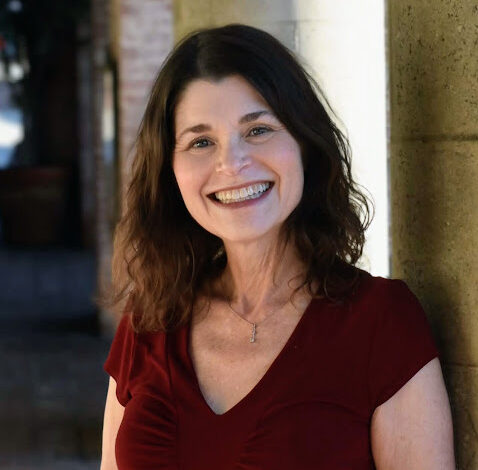
Dr. Finkel is a graduate of Stanford University and Harvard Medical School. On completing her residency at Harvard, she was asked to stay on as faculty at Harvard Medical School and spent five years teaching at the world-renowned Massachusetts General Hospital. She was appointed to the Assistant Residency Director position for the Harvard Affiliated Emergency Medicine Residency where she reviewed countless applications, personal statements and resumes. Read more
