
Blog Archives

After Your Residency or Medical School Interview: What’s the Value of the Second Look?

After interviews – if permitted by the institution – there are several ways you can communicate with a medical school or residency. My favorites are brief thank you notes and well-written letters of interest.

But what about the “second look?” I’ve had many mentees ask me if re-visiting a school or training program after the interview day is valuable. Unfortunately, there may not be a definitive answer to this question because how a second look is perceived varies by institution.

The cons of the second look are cost and time. And perhaps even worse, there is the risk that you are imposing on the school or program. You don’t want your request for a second look to work against your candidacy. On the other hand, the pros of a second look are that demonstration of interest and enthusiasm that many schools and programs are seeking.

If you are a pre-med and are wait listed at a medical school, I would generally recommend a second look if you can swing it. After all, you have every right to visit the institution you may be attending. If you go for a second look in this scenario, make sure to do a formal visit: Let the admissions office or dean’s office know you would like to spend the day and ask if you might have an opportunity to meet with students and even an admissions officer to support your candidacy.

If you are a residency applicant, it’s hard to say if a second look will help or not. A residency director friend of mine says that a visit from someone who travels from far away might improve a candidate’s standing by a few slots on the rank list at her program. That sounds like a tepid endorsement at best… If you are considering a second-visit, make sure to speak to the program coordinator. S/he might advise you against it or, on the contrary, let you know it’s appreciated by the residency director.

As we all know, the residency and medical school interview scene is already stressful and expensive, so unless you are a wait listed pre-med – with all other things being equal – I generally would not push yourself hard to do that second look.

Tags: , ,

Your Residency Application: What to Prioritize When Creating your Rank List

Creating your Match rank list can be challenging. Below, I briefly note a few considerations when making your list:

1. Make sure you understand how the NRMP algorithm works. See my previous blog post regarding errors to avoid at all costs. The key is to rank in the order you want – first goes first, second goes second, etc.

2. Consider your happiness and life balance. Blasphemy perhaps, but I would argue that they are more important than the strength of the training program.

3. Reflect on the culture, geography, size, and even maturity/age of the program. Think about whether you will fit in.

4. Consider whether you could spend your whole life at the institution or in that program’s location. It’s a lot to grapple with, but many residents graduate and stay for the rest of their careers.

5. Decide whether you liked the program director, chairperson, and faculty generally. They could make or break your happiness and success.

6. Realize that most programs will train you well if you work hard. Their prestige and quality may be more similar than you think. For that reason, note that your personal preferences and intuitions are paramount.

Tags: , ,

Ten Ways to Improve your Medical School Application

Please check out my latest Student Doctor Network article here. Enjoy!

Tags: , ,

Thank You Notes

Clients ask me what’s the best way to send post-interview thank you notes – email versus snail mail. I advise the latter, sending hand-written notes. Email can be viewed as less labor-intensive or thoughtful.

You can still get the notes in quickly: Put them in the mail the morning after you’ve completed your interview. Some applicants even bring blank thank you notes to the interview day, complete the cards after their interviews, and leave them with the program coordinator.

Your thank you notes should be written on plain cards and sent to every faculty member you conversed with one-on-one. If the residency coordinator helped you with a difficult scheduling issue, for example, writing to him/her would be wise too. Within reason and if written cordially, a thank you note cannot hurt you (unless you have been expressly asked not to communicate after the interview day).

Consider them low-hanging fruit.

Tags: , , ,

Check Yourself Before you Wreck Yourself: Your Residency Application

As we approach the time to submit your rank order list, it’s imperative that you understand how to organize your list.

Don’t try to outsmart the algorithm by putting programs with more residency slots higher on your list or by prioritizing those that have given you good feedback over those that haven’t. None of those factors is relevant in creating your rank order list, and you will harm your chances if you pursue those strategies!

Your first choice should be first. Second should be second, etc.

Take a look at this under-one-minute Guru on the Go video for further clarification.

Tags: , ,

About Dr. Michelle Finkel

Dr. Michelle Finkel

Dr. Finkel is a graduate of Stanford University and Harvard Medical School. On completing her residency at Harvard, she was asked to stay on as faculty at Harvard Medical School and spent five years teaching at the world-renowned Massachusetts General Hospital. She was appointed to the Assistant Residency Director position for the Harvard Affiliated Emergency Medicine Residency where she reviewed countless applications, personal statements and resumes. Read more

Receive FREE Insider Medical Admissions Tips.

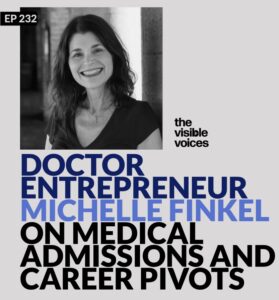
Listen to Dr. Finkel’s interview on The Visible Voices podcast: 


Listen to Dr. Finkel’s interview on the White Coat Investor podcast:

Listen to Dr. Finkel’s interview on the FeminEm podcast: