Blog Archives

Being Valued is Undervalued

I read an interesting JAMA study on burnout recently. We’ve all heard about the problem and its growth over the past few years. But I found the results of this study particularly interesting: The authors found that chaotic workplaces and lack of control of workload were associated with higher burnout (think emergency departments or a poorly run, overscheduled clinic), while efficient teamwork and feeling valued were associated with lower burnout. People sometimes pay lip service to the importance of being appreciated, but this study really proves its significance.

It’s worth considering this study’s results when making decisions about what field to choose, where to train, and what position to take after residency. Here’s the article.

Tags: , , ,

Pared to the Bone

I heard a great Fresh Air interview of Siddhartha Mukherjee, who was a lovely acquaintance of mine at Harvard and who has since won the Pulitzer Prize for his book The Emperor of All Maladies. Sid is a hematologist/oncologist clinician/scientist who has a new book out called The Song of the Cell. 

Terry Gross asked Sid how he successfully writes for both the scientific community through his journal articles and for lay people through his books – two different skill sets. Sid responded by explaining the importance – for any genre – of crafting manuscripts that are “pared to the bone,” meaning they avoid verbiage. His recommendation was excellent advice for any writer, even one who is crafting a personal statement. Take a listen to the full interview with Dr. Mukherjee here

Tags: , , ,

Leaving the Medical Workforce

Beware: The article I’m about to recommend has a bitter tone, but it’s important for those who are considering the medical field to hear all perspectives. Plus, many of the issues this anonymous writer brings up – understaffing, corporate medicine, twisted financial incentives, lack of fulfillment – are on point.

Here’s the piece.

Tags: , , ,

Surgery Without Anesthesia

As we look forward to Thanksgiving, I recommend this short NYT piece by AJ Jacobs on gratitude. It’s a few years old, but it’s still relevant, fun, and reflective.


How to Evaluate an Institution: Consider Your Happiness and Trust Your Intuition

A few medical school and residency applicants have asked me how to evaluate institutions, especially since interviews are virtual. This is a huge topic, but here are some thoughts:

  • To me, geography is one of the most important factors – at least equal to the reputation of the institution. You want to make sure you are in a location that will make you happy – near community, family, friends and/ or the ability to enjoy your hobbies.
  • Cost is sometimes a deal breaker when it comes to medical school. There’s not much more to say here except that most institutions are extremely expensive.
  • Of course, didactics and academic opportunities are critically important for both medical school and residency. However, many medical schools of similar caliber have equivalent curricula and programs. You likely could be happy at many different medical schools. With regard to residency, it’s important to ensure you are getting a lot of hands-on experience and to look at what fellowships are available, with your interests in mind.
  • Faculty is hard to assess because – like anything – there are good and bad ones. Also, faculty come and go. Having said that, if you are applying to residency, the program director is very important (understanding that he or she could leave).
  • With regard to residency, call schedule and overall work hours are important to consider. Certain programs within the same specialty require a lot more hours and scut work than others.
  • One of your best bets is to talk to current students at medical school or current residents in a training program. Oftentimes they will be very honest about the pros and cons of their institution.

Once you’ve assessed all of the above – narrowing down your list by geography and quality – I would analyze the vibe you have. If this sounds too touchy-feely, remember that intuition is not a magical assessment; it’s based on major and minor facts that you consciously and subconsciously analyze.

Remember: If you’re a medical school applicant, consider yourself fortunate if you have more than one option to choose from. Earning admission to medical school is getting harder every year. It’s a great problem if you need to struggle to decide among multiple schools!

Tags: , , ,

About Dr. Michelle Finkel

Dr. Michelle Finkel

Dr. Finkel is a graduate of Stanford University and Harvard Medical School. On completing her residency at Harvard, she was asked to stay on as faculty at Harvard Medical School and spent five years teaching at the world-renowned Massachusetts General Hospital. She was appointed to the Assistant Residency Director position for the Harvard Affiliated Emergency Medicine Residency where she reviewed countless applications, personal statements and resumes. Read more

Receive FREE Insider Medical Admissions Tips.

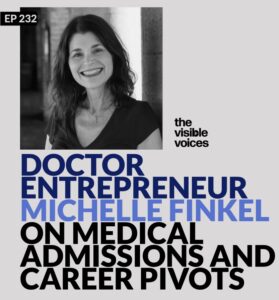
Listen to Dr. Finkel’s interview on The Visible Voices podcast: 


Listen to Dr. Finkel’s interview on the White Coat Investor podcast:

Listen to Dr. Finkel’s interview on the FeminEm podcast: