
Blog Archives

How is COVID-19 Affecting Pre-Meds and Pre-Dental Students?

COVID-19 has upended everyone’s lives, and I really mean everyone. Last week I mentioned some issues specific to pre-meds and pre-dental students. Here’s an update:

MCAT cancellations: As of last Wednesday, April 1, the AAMC extended the cancellation of MCAT testing through the month of April. (Prior, AAMC had only cancelled the March 27 and April 4 administration dates.)

Inability to acquire enough clinical, research, or volunteer hours is worsening, as applicants who had expected to get more experience this spring are being told that only essential workers should report for duties.

As the recession worsens, there is a decrease in individual wealth, leading to an inability to pay AMCAS/ AACOMS/ AADSAS fees or apply to as many schools as had been planned.

Difficulty accessing letter of recommendation writers who are no longer on campus or are, understandably, distracted with their own disruptions will continue to be a problem. 

A lack of enthusiasm for medicine (or an increase in it, for some) may rise as the great risk health care providers are currently assuming is more newsworthy. 

I’ve had an applicant or two ask me if this year is a better year to apply – perhaps less competitive – because of the above. I really have no crystal ball on that issue, although it’s an interesting question.

Keep safe and stay in.
Tags: , , ,

The Medical School Application Process and COVID

Greetings from California where we are hoping to flatten the curve by proudly being the first state to order residents to shelter in place. 

Last week I posted some truly excellent articles and a podcast on COVID. This week, I’m listing some considerations pre-meds need to ponder in the setting of the virus:

1) The March 27 and April 4 MCAT exam administrations have been canceled globally. It’s unclear whether some future dates will be eliminated.

2) It is hard to get clinical experience right now. Many non-essential personnel are – rightly – being asked to stay home. 

3) Letter of recommendation writers may be harder to reach or focused on other concerns.

4) As of now, there is no indication that the AMCAS application calendar will change. 

Please stay home and stay safe.

Tags: , , ,

Holding up and Holing Up

Greetings from California where we are sheltering in place. Newsom did the right thing to save lives, but this will not be easy here in the Golden State. I worked in the emergency department last week, but I was in the less acute side – not managing high risk, respiratory patients. From what I have seen, hospital systems in the area have tremendously organized plans in place. My concern is that they will get overwhelmed soon.

Like most of you, I’ve been reading a lot on COVID-19, both in the lay and medical press. I’ve compiled some of my favorites as of this writing:

A must-listen-to interview from the New York Times’ Daily Podcast of an Italian ICU doctor managing the crisis in his country. Forward this one to your family and friends. 

An Annals of Internal Medicinpiece on incubation period of COVID-19 with a visual abstract.

visual representation and accompanying article on hospital bed capacity exhaustion from the Harvard Global Health Institute published by the New York Times

A widely circulated “ICU one pager” for clinicians on COVID-19.

I’m also now subscribed to a daily update on COVID-19 from the Johns Hopkins Center for Health Security.

The St. Louis versus Philadelphia 1918 flu mortality graph with accompanying article. Send this to anyone who doesn’t understand why social distancing is important. 

Please stay home as much as possible, and encourage your family and friends to do the same. 

Tags: , , ,

COVID-19: Check out this Interesting Academic Lecture

I do not usually cover medical pathology in this blog, but I heard a compelling on-line lecture on COVID-19 by Amesh Adalja MD, who is a Senior Scholar at the Johns Hopkins Center for Health Security. His expertise is in emerging infectious diseases, pandemic preparedness, and biosecurity. For those of you interested in his medical career path (as I was), Dr. Adalja completed a combined residency in internal medicine and emergency medicine and then completed two fellowships – one in infectious diseases and one in critical care. The lecture does a great job of putting COVID-19 in historical, evolutionary, and policy context. One point: The lecture is about 2 weeks old, and, of course, much has occurred in that time frame, but understanding other pandemics and their lead up to this one is helpful. It’s worth the time to listen. 

Tags: , , ,

The Dirt on SOAP (The Supplemental Offer and Acceptance Program)

Residency applicants are anxiously awaiting Match Week, starting next Monday. No matter where you stand with interviews, it’s important to have some basic familiarity with the Supplemental Offer and Acceptance Program® (SOAP). SOAP is a standardized process affording unmatched candidates the opportunity to find residency positions. It consists of three rounds during which residency programs make offers to eligible applicants who did not match for residency or who partially matched.

Check out this piece I wrote on SOAP to understand the intricacies of the program and to ensure you are prepared in the worst case scenario. As always, in the application process, it’s better to bring an umbrella and hope it doesn’t rain than get soaked in the unexpected storm.

Tags: , , ,

About Dr. Michelle Finkel

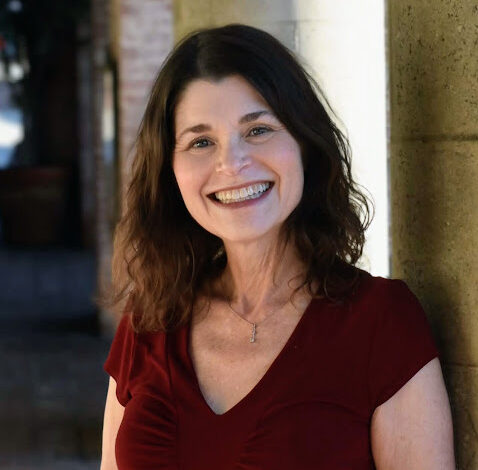
Dr. Michelle Finkel

Dr. Finkel is a graduate of Stanford University and Harvard Medical School. On completing her residency at Harvard, she was asked to stay on as faculty at Harvard Medical School and spent five years teaching at the world-renowned Massachusetts General Hospital. She was appointed to the Assistant Residency Director position for the Harvard Affiliated Emergency Medicine Residency where she reviewed countless applications, personal statements and resumes. Read more

Receive FREE Insider Medical Admissions Tips.

Listen to Dr. Finkel’s interview on the White Coat Investor podcast:

Listen to Dr. Finkel’s interview on the FeminEm podcast: