
Blog Archives

Evidence-Based Decision Making Regarding Your Planned Specialty

For those first-, second-, and third-year medical students who are trying to pick a specialty, remember to start with the facts: The NRMP published Charting Outcomes of the Match to give applicants an idea of what characteristics successful 2018 Main Residency Match candidates had. While sobering (the mean Step 2 score for successful radiology U.S. senior applicants was 249), the information is valuable as you approach the decision-making process.

If you’re just starting medical school, you can strategically plan your candidacy for success. If you’re more senior, you can decide whether you have the characteristics necessary to pursue a successful Match process.
Tags: , , ,

The “No Contact” Rule After Interviews

Just a brief reminder about the “no contact” rule that some residency programs (and medical schools) follow. While thank you notes and letters of interest are often warranted, if the institution requests no contact, it is important that you follow that rule. First, you don’t want to be seen as someone who is trying to gain an advantage when others are holding back, and second, you would like to be viewed as a candidate and future practicing physician who notes and follows instructions.

Importantly, if you are contacted by residency programs after your interview and promised a ranking to Match, I’d suggest you take that information with a grain of salt. It is flattering, but it should not change your Match list in any way. If a medical school contacts you with a positive review but no acceptance (yet), I would suggest being gracious while you continue to move through the admissions process. In other words, don’t let compliments affect your good judgment.

Tags: , , ,

Residency Applicants, Thinking about How to Create your Rank Order List? Check out this easy advice.

For those of you who are starting to think about your Match rank order list, please make sure you follow this (simple) strategy: Rank your first choice first, your second second, etc. The Match algorithm is mathematically quite complicated, but because the process always begins with an attempt to match an applicant to the program most preferred on the applicant’s rank list, you do not want to try to “game” the system.

For example, I’ve had applicants tell me that they plan to rank a less preferred institution higher because that program has more residency slots. That’s a no-no. The applicant will actually be harming him/herself with that strategy.

Here’s a video the NRMP created last year to better explain the Match algorithm. Here’s also a less-than-one-minute Guru on the Go© video “NRMP Ranking to Avoid a Spanking” to emphasize your optimal ranking strategy.

Tags: , , ,

If You Don’t Laugh…

I posted this piece on social media last week, but it’s so clever that I wanted to showcase it in a blog.  “A lexicon for gender bias in academia and medicine” is hilarious (and sad) – definitely worth a read. While I do not know Dr. Esther Choo personally, I have heard from an emergency medicine colleague that she is a powerhouse. She clearly also has a great sense of humor.

Tags: , ,

Happy Medical Training: An Oxymoron?

Medical school and residency training usually decrease one’s happiness for several reasons. Happiness researchers have demonstrated that a feeling of control and the amount of spare time one has both correlate with happiness. Both of those factors are limited during med school and residency. Relationships are also correlated with happiness, and those can be squashed during medical training as well.

I’m not trying to be a downer here! I want to encourage applicants to consider this happiness quotient when selecting an institution and training program. A lovely client recently emailed me to ask if he should consider medical schools’ residency program director scores in deciding where to matriculate. (He had already gotten multiple acceptances!) I advised him to consider where he would be happiest instead. If you are able, maximizing your contentment by choosing an institution that fosters your greatest happiness is key. Geography; proximity to family, friends and community; and a location that provides an opportunity to enjoy hobbies during limited free time are significant.

Excellent training is important, but, in the end, many programs turn out equally qualified clinicians. At least consider your well-being as a factor in selecting where you might be for the next three plus years of your life.

Tags: , , ,

About Dr. Michelle Finkel

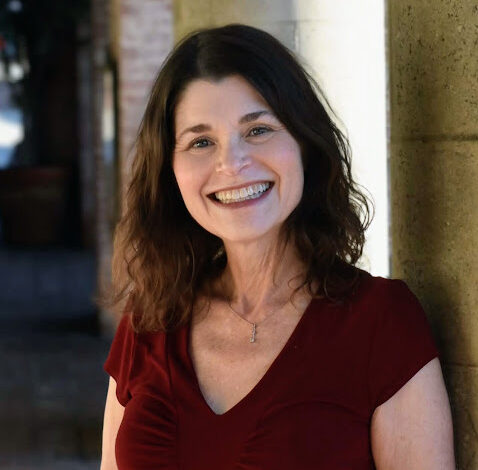
Dr. Michelle Finkel

Dr. Finkel is a graduate of Stanford University and Harvard Medical School. On completing her residency at Harvard, she was asked to stay on as faculty at Harvard Medical School and spent five years teaching at the world-renowned Massachusetts General Hospital. She was appointed to the Assistant Residency Director position for the Harvard Affiliated Emergency Medicine Residency where she reviewed countless applications, personal statements and resumes. Read more

Receive FREE Insider Medical Admissions Tips.

Listen to Dr. Finkel’s interview on The Visible Voices podcast: 


Listen to Dr. Finkel’s interview on the White Coat Investor podcast:

Listen to Dr. Finkel’s interview on the FeminEm podcast: