
Blog Archives

For Pre-Meds Applying in the Next Cycle, What IS Solid Clinical Experience Anyway?

Getting into medical school has gotten so competitive that it’s essential to have a strong candidacy with excellent grades and robust extracurricular activities. However, one mistake I see pre-meds make is that they are so focused on leadership and research, they forget a critical component – clinical experience. To prove you want to be a doctor, it’s crucial you obtain clinical experience for a significant period of time – not just a health fair or two. Good grades will not make up for a lack of clinical experience. Here are some ideas for obtaining strong clinical experience:

EMT (Some universities have EMT classes and/or jobs on campus; takes time to certify.)
Participate in a good hospital clinical care extender program (Regular hospital volunteer programs are usually not clinically focused enough.)
Work at a low-income clinic (Many require a one-year commitment.)
Certified Medical Assistant (Takes time to certify.)
Certified Phlebotomist (Same)
Certified Nursing Assistant (Same)
Work at a hospice (Because of the nature of the work, may need to be paired with another, more hands-on clinical experience.)
Scribe (Usually a full-time job)
Veterinarian’s Assistant (A great way to get hands-on procedural experience; need to explain this choice in your application.)

Pharmacy Assistant (Make sure the role is patient facing.)
Volunteer for a crisis text/phone line (May need to be paired with an in-person clinical experience.)

Shadowing is a mixed bag: Medical schools don’t know whether you’re second-assisting in the operating room or just standing in a corner being ignored. If you choose to shadow, make sure you strategically delineate your clinical experience in your written materials.

If you’re not excited about getting clinical experience, it’s time to question your interest in a career in medicine… which is exactly what admissions committees will do if they don’t see that experience.

Do your research before accepting a “clinical” job so you ensure you’ll really get a satisfying experience and show admissions committees you can handle the heat.
Tags: , , ,

Funky Away Rotations

The AAMC’s Stacy Weiner recently wrote a piece on creative away clerkships, highlighting interesting medical school rotations, including those in wilderness medicine, Emergency Medical Services, and autopsy medicine. See her piece here. Of note, international rotations are also a fantastic opportunity to explore something new for a manageable amount of time. In medical school and residency, my husband traveled to Kenya, China, Bali, and Argentina for rotations and other medical opportunities. He also spent six weeks in Santa Rosa, California for a family medicine rotation, living in a double-wide trailer with other medical students. (He describes it as “paradise.”)

Whether you’re interested in doing an “audition” rotation or something more unusual, it’s worth starting with the Visiting Student Learning Opportunities (VSLOs) website/database here.

Tags: , , ,

Try a Residency Bootcamp

I was recently speaking to a medical student with excellent foresight, who was asking me what he could do to prepare himself for residency. I suggested reviewing the basics – perhaps by perusing a favorite clinic handbook – of how to work up common chief complaints like chest pain, shortness of breath, abdominal pain, back pain, among others. It was timely, then, that I read an article about Transition to Residency classes offered at the majority of medical schools. These intensive courses help medical students refresh their knowledge about clinical approaches, so they can hit the ground running when internship starts. 

If a Transition to Residency class is robust and offered at your institution, I would recommend taking it.

Also, when thinking about preparing for residency, I advised the student to consider ways to make life as smooth as possible: When I was in training, I splurged to pay for a laundry service. I never missed the money; instead of spending my downtime at a laundromat or an apartment complex laundry room, I was able to sleep a little more. 

Of course, I had to be frugal during residency, as many others do, but doing one or two things that can make your life better can pay dividends.

Tags: , , ,

For Pre-Meds Applying in the Next Cycle, What IS Solid Clinical Experience Anyway?

Getting into medical school has gotten so competitive that it’s increasingly important to have a strong candidacy with excellent grades and robust extracurricular activities. As I’ve mentioned in previous blog entries, one mistake I see pre-meds make is that they are so focused on leadership and research, they forget a critical component – clinical experience. To prove you want to be a doctor, it’s essential you obtain clinical experience for a significant period of time – not just a health fair or two. Good grades will not make up for a lack of clinical experience. Here are some ideas for obtaining strong clinical experience:

EMT (some universities have EMT classes and/or jobs on campus)
Participate in a good hospital clinical care extender program
Work at a low-income clinic
Certified Medical Assistant
Certified Phlebotomist
Certified Nursing Assistant
Work at a hospice
Scribe (usually a full-time job)
Veterinarian’s Assistant (a great way to get hands-on procedural experience)
Volunteer for a crisis text/phone line (might need to be paired with an in-person clinical experience)

Shadowing is a mixed bag: Medical schools don’t know whether you’re second-assisting in the operating room or just standing in a corner being ignored :(. If you choose to shadow, make sure you strategically delineate your clinical experience in your written materials.

If you’re not excited about getting clinical experience, it’s time to question your interest in a career in medicine… which is exactly what admissions committees will do if they don’t see that experience.

Do your research before accepting a “clinical” job so you ensure you’ll really get a satisfying experience and show admissions committees you can handle the heat.

Tags: , , ,

Pre-Med? Avoid a Big Mistake

Several years ago I was hired by a re-applicant who wanted to better understand why she did not get into medical school the prior year. She had a 3.9 GPA and a 40 on her MCAT (100% percentile). Yet, she had been rejected from all medical schools.

I looked through her materials and discovered the problem. The applicant had no clinical work at all. She had never been in the room with a patient. Many of you know that I like the saying, “No one wants to hire a chef who hasn’t been in the kitchen.” She had fallen prey to that adage.

We talked, and I advised her regarding options she had for obtaining clinical experience. Fast forward a year: The client completed a robust clinical activity and was readily accepted to medical school (and felt more confident about her career choice).

If you are a pre-med, note that robust clinical experience is critical. Working as an EMT, in a good clinical care extender program, formally as a scribe (where you can also make some money), in a hospice setting, or in a low-income clinic are just some ideas for obtaining excellent clinical exposure. (Although you might think free clinics would be thrilled to have a pre-med volunteer, many understandably require one-year commitments.) 

Shadowing is a mixed bag: Medical schools don’t know whether you’re second-assisting in the operating room or just standing in a corner being ignored. If you choose to shadow, make sure that – in your written materials – you highlight any substantive clinical skills gained. Other popular options for clinical experience include international work (although the activity is usually short-lived, which makes it less robust) and working as a volunteer in a hospital (although it might be more clerical than clinical, depending on the position; thus, the benefit of clinical care extender programs. Do your research before accepting a volunteer hospital job). I’ve also had advisees who became certified, practicing phlebotomists and others who worked in veterinarians’ offices to obtain procedural skills.

More important than getting into medical school (gasp), getting robust clinical experience will help you ensure you’ve made the right career choice. Simultaneously, you’ll demonstrate to admissions officers that you can handle the heat.

See the short video below on the importance of clinical experience:

Tags: , , ,

About Dr. Michelle Finkel

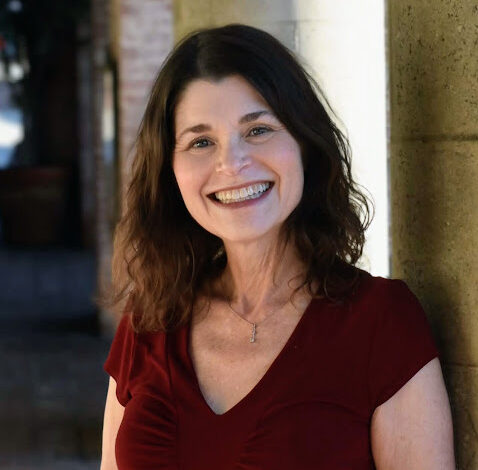
Dr. Michelle Finkel

Dr. Finkel is a graduate of Stanford University and Harvard Medical School. On completing her residency at Harvard, she was asked to stay on as faculty at Harvard Medical School and spent five years teaching at the world-renowned Massachusetts General Hospital. She was appointed to the Assistant Residency Director position for the Harvard Affiliated Emergency Medicine Residency where she reviewed countless applications, personal statements and resumes. Read more

Receive FREE Insider Medical Admissions Tips.

Listen to Dr. Finkel’s interview on the White Coat Investor podcast:

Listen to Dr. Finkel’s interview on the FeminEm podcast: