
Blog Archives

The “No Contact” Rule After Interviews

Just a brief reminder about the “no contact” rule that some residency programs (and medical schools) follow. While thank you notes and letters of interest are often warranted, if the institution requests no contact, it is important that you follow that rule. First, you don’t want to be seen as someone who is trying to gain an advantage when others are holding back, and second, you would like to be viewed as a candidate and future practicing physician who notes and follows instructions.

Importantly, if you are contacted by residency programs after your interview and promised a ranking to Match, I’d suggest you take that information with a grain of salt. It is flattering, but it should not change your Match list in any way. If a medical school contacts you with a positive review but no acceptance (yet), I would suggest being gracious while you continue to move through the admissions process. In other words, don’t let compliments affect your good judgment.
Tags: , , ,

Residency and Medical School Interview Questions: How to Answer that Icky Decade One

“Where do you see yourself in 10 years?” the interviewer asks you, and you squirm…

An influential physician-administrator once complained to me that whenever he asked potential new faculty hires where they saw themselves in a decade they always said they were interested in global health or teaching. “It sounds sexy,” he remarked. “But many of them have nothing in their C.V.s to bolster their interest in either pursuit.”

When asked where you see yourself in ten years, consider how your accomplishments thus far might demonstrate an evolution. The idea is to have a trajectory that you can back up, defend, and easily justify. This doesn’t mean you’re stuck with what you’ve done even if you didn’t like it, though. You could point out that having tried myocardial bench research, you realize that your real interest is in clinical investigations of new cardiac markers.

Many medical school applicants say they don’t know what field they want to go into. That’s okay! And many residency applicants don’t know if they want to do a fellowship. That’s also to be expected. The point is to focus on your previous strengths and achievements and leverage them to demonstrate a logical path, going forward.

Tags: , , , ,

Specificity is Golden

I’ve been editing and mock interviewing up a storm recently, and I want to offer a tip: Avoid words like “various,” “numerous,” and “several.”

“I’ve been involved in various community service projects” can imply a lack of true substance or even an attempt at obfuscation. (Is it just two afternoon health fairs you’re talking about?) Worse still, your strong accomplishments are overlooked when you lack specificity. It may feel redundant to showcase an activity you highlighted in your application materials, but – as you’ve heard me say before – your reader/interviewer is likely reviewing scores of candidacies. Yours won’t stand out if you don’t make it.

Tags: , , ,

Surgery Without Anesthesia

As we recover from our big Thanksgiving celebrations, I recommend this recent short NYT piece by A.J. Jacobs on gratitude. It’s fun and reflective – just what the doctor ordered.

Tags: , , ,

It’s Not Personal

When I was in my second year of medical school, a third-year student came to speak to our class about being on the wards. He gave an animated talk about how important it was to recognize that when residents, attendings, or nurses hollered at us on on our clinical rotations, 99% of the time, it wasn’t personal. He likened the situation to Boston traffic – how drivers lean on their horns for little cause because they are simply frustrated about their days.

It’s not personal, he said.

I am saying the same to my clients. I’ve had applicants complain that faculty interviewers mixed them up with other candidates or were wholly unprepared – reading their applications for the first time during the interview itself. Remember: It’s not personal. This process is arduous and long, and most candidates, faculty, and program coordinators are tired and doing their best. When things are rough, give others the benefit of the doubt. It will help you get through this stressful process with your sanity intact.

Tags: , , , , , , , ,

About Dr. Michelle Finkel

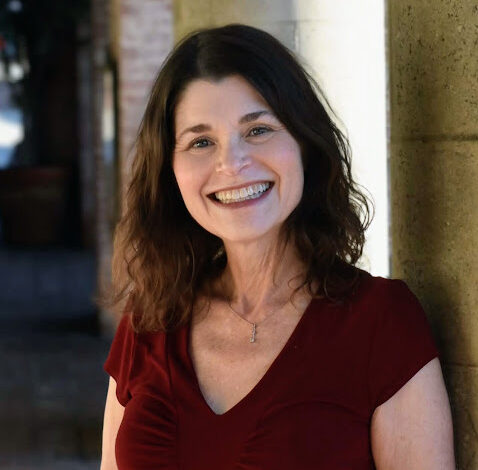
Dr. Michelle Finkel

Dr. Finkel is a graduate of Stanford University and Harvard Medical School. On completing her residency at Harvard, she was asked to stay on as faculty at Harvard Medical School and spent five years teaching at the world-renowned Massachusetts General Hospital. She was appointed to the Assistant Residency Director position for the Harvard Affiliated Emergency Medicine Residency where she reviewed countless applications, personal statements and resumes. Read more

Receive FREE Insider Medical Admissions Tips.

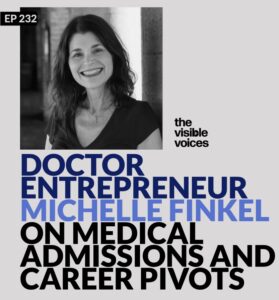
Listen to Dr. Finkel’s interview on The Visible Voices podcast: 


Listen to Dr. Finkel’s interview on the White Coat Investor podcast:

Listen to Dr. Finkel’s interview on the FeminEm podcast: