How are Residency Programs Managing the $100,000 Fee for New H-1B Visa Applications?

The Association of American Medical Colleges (AAMC) recently published a piece on the effect H-1B visa fees will have on the Match, hospitals, and access to medical care going forward unless there is an exception made for the healthcare field. The article also explains the distinctions between the H-1B and J-1 visas for physicians.

Andrea Price-Carter, MPA, director of health equity advocacy and government relations for the AAMC points out that J-1 and H-1B visa holders do not displace U.S. medical graduates, and instead, fill gaps where there is a shortage of needed professionals.

Here’s the AAMC piece.

Tags: , , ,

AW(e)SOM(e)

This week a friend texted me a PBS NewsHour segment she saw about the Alice L. Walton School of Medicine (AWSOM) that opened for its inaugural class this cycle. The school is located in Bentonville, Arkansas, and its mission is to provide an innovative program that incorporates art and humanities. The school shares a campus with the Crystal Bridges Museum of American Art, and medical students are encouraged to learn the “art of healing.” Importantly, for the first five cohorts, tuition is free, so the admission process is fierce. 

Take a look here at the PBS segment.

Tags: , , ,

Some Faculty are Using AI to Craft Letters of Recommendation

The AAMC recently published a piece about faculty members who use artificial intelligence to craft first drafts – at least –  of recommendation letters for students. 

I understand the pull of AI for this purpose, but even if the flow and syntax are better, I’m concerned these letters will sound generic and unoriginal. Letters of recommendation can make a huge difference in a student’s candidacy, and submitting something iterative or bland could be a real disservice to the applicant.

The article ends with a quote from a urologist advising that faculty members tell students and the institutions that receive their letters that they use AI to help compose the text, but I would go further and say that if a faculty member is planning to use AI, s/he should tell the student before writing the letter so the applicant can decline the recommendation if s/he wants to.

Tags: , , ,

What is a DO Really Anyway?

Many laypeople and premeds are not clear on the difference between an MD and a DO. This piece from the New York Times was not written with medical readers specifically in mind, but it’s helpful as a starting point for anyone. The American Osteopathic Association also has some good information on their website here.

Tags: , , ,

How Some Colleges Make Their Acceptance Rates Look More Impressive

Those of you who read this blog regularly know that I’m a huge fan of Mark Stucker, the earnest, knowledgeable, and sweet college admissions expert who produces the Your College Bound Kid Podcast. There are many similarities and differences between college admissions and medical school admissions. Still, the economics and incentives of the college process are really fascinating and reflect on how strange and faulty both systems are.

Mark covered a really interesting topic in episode 604: Tactics some colleges use to make their acceptance rates look more impressive. While the techniques are technically ethical, they’re certainly not student centered! Listen to the episode (at about seven minutes in) here.

Tags: , , ,

About Dr. Michelle Finkel

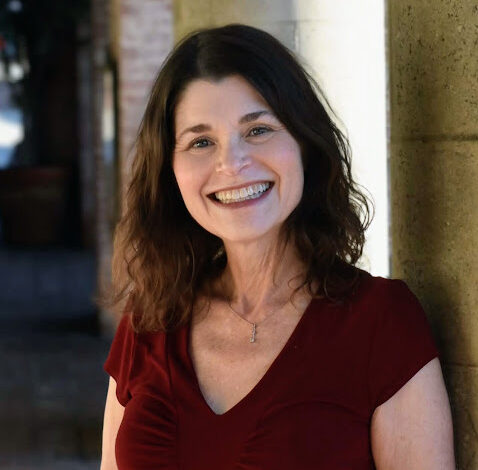
Dr. Michelle Finkel

Dr. Finkel is a graduate of Stanford University and Harvard Medical School. On completing her residency at Harvard, she was asked to stay on as faculty at Harvard Medical School and spent five years teaching at the world-renowned Massachusetts General Hospital. She was appointed to the Assistant Residency Director position for the Harvard Affiliated Emergency Medicine Residency where she reviewed countless applications, personal statements and resumes. Read more

Receive FREE Insider Medical Admissions Tips.

Listen to Dr. Finkel’s interview on The Visible Voices podcast: 


Listen to Dr. Finkel’s interview on the White Coat Investor podcast:

Listen to Dr. Finkel’s interview on the FeminEm podcast: