Blog Archives

The Virtual Medical School Interview: What to Expect when You’re Expecting… An Unconventional Format

In the late spring, to its credit, the Association of American Medical Colleges® (AAMC) recommended that all medical school, residency, and fellowship interviews be done virtually this cycle. Formats may vary, but interviews should not be in-person.

One configuration that seems to be emerging for medical schools (at least) is a two-part model: asynchronous and synchronous. The former involves a recorded session in which a computer platform – without a live interviewer present – provides questions to applicants who then have a set time to record their answers. The synchronous session is a live, remote interview.

The advantage of virtual interviews – beyond obvious health benefits and cost containment – is a standardization of the process, but mastering the new, remote processes may be difficult and anxiety-producing. 

To get help with this new world of virtual interviews, contact me. 
Tags: , , ,

How the New ERAS Schedule Might Relieve Your Stress

This year, in light of the COVID crisis, while ERAS will open on September 1, residency programs will not have access to applications until October 21, which is more than a month later than last year’s date of September 15. At first glance, this alteration might seem minor: After all, if programs download applications in batches by chronological order, an applicant would still be better off submitting on September 1. However, all applications submitted September 1 through October 21 will appear to programs as being submitted on October 21. This affords residency applicants more time to get their applications in order. 

Having said that, ECFMG is still recommending that applicants submit by October 14 to be on the safe side, and I’d also suggest not waiting until the last minute. Good writing takes a long time, and you do not want to be behind the eight ball, submitting suboptimal written materials. 

For help with your residency written materials, contact me. 

Tags: , , ,

AAMC Fee Assistance Program Expands

In light of the COVID crisis, the AAMC has recently expanded its Fee Assistance Program income eligibility. Please take a look here for current requirements. For more information on the FAP, including an online webinar, see this AAMC page.  

To support those with financial need, l continue to offer a discount to those applicants who can demonstrate a current FAP. Contact me with questions. 

Tags: , , ,

Diversity Essay: How to Get Started

I’ve had several questions on how to approach the secondary essay diversity prompt. In considering your strategy and content, I’d recommend you ask yourself the following question: 

What ethnic, religious, racial, gender, language, socioeconomic, or sexual orientation aspects of me, my family, or my experience make me distinctive?

Please note that experience is part of the question I have posed. An applicant I mentored a few years back wrote me concerned that she did not fit into a minority category and thus, could not answer the prompt effectively. I suggested she consider an experience that targeted the prompt’s theme, and she wrote a strong essay about her successful efforts to increase diversity during sorority rush. I crafted one of my secondary essays on my experience hearing Spike Lee speak in person. Don’t be afraid to think outside the box.


How to Get Clinical Experience Safely During the COVID Pandemic

I’ve written before about the importance of premeds’ getting clinical experience. Not only is robust clinical participation critical to obtaining a medical school acceptance, it’s also important to ensure you like working with patients before heading down the long medical training path. 

During this pandemic, working as an EMT, scribe, or certified phlebotomist can be risky. So how can you get clinical experience without being in the clinic?

Here are three ideas:

  1. Become a contact tracer –  I tweeted last month about a great Johns Hopkins training opportunity. Working as a contact tracer is a way to do a good deed, learn to convey difficult information to lay people, and make some money. 
  2. Work on a crisis hotline (phone or text) – Many people are, understandably, in distress right now, and learning to assist those having emotional challenges will help you as a future physician.
  3. Work on a COVID information hotline – There is a lot of misinformation floating about. Conveying accurate scientific concepts to the public is, again, an excellent skill to have in your tool box as a future doctor. 

Check out my goofy, less-than-one-minute video about the importance of getting clinical experience here. 


About Dr. Michelle Finkel

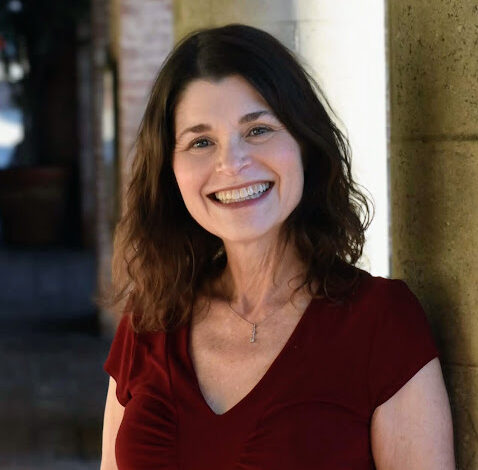
Dr. Michelle Finkel

Dr. Finkel is a graduate of Stanford University and Harvard Medical School. On completing her residency at Harvard, she was asked to stay on as faculty at Harvard Medical School and spent five years teaching at the world-renowned Massachusetts General Hospital. She was appointed to the Assistant Residency Director position for the Harvard Affiliated Emergency Medicine Residency where she reviewed countless applications, personal statements and resumes. Read more

Receive FREE Insider Medical Admissions Tips.

Listen to Dr. Finkel’s interview on The Visible Voices podcast: 


Listen to Dr. Finkel’s interview on the White Coat Investor podcast:

Listen to Dr. Finkel’s interview on the FeminEm podcast: