Blog Archives

AAMC Report on Residents 2025

Yearly, the Association of American Medical Colleges publishes a report with residency statistics. The 2025 edition has some interesting data:

  1. In 2024, women accounted for 50.2% of residents and fellows, representing a persistent increase that has been noted over the past years.
  2. Only approximately 29.4% of medical students list the same specialty preference on their graduation questionnaire as they did on their matriculating student questionnaire.
  3. US osteopathic (DO) seniors saw a 92.6% PGY-1 Match rate, the highest ever.

You can find more information here.
Tags: , , ,

Two of my Very Talented Friends – Together

I want to recommend a great podcast episode: On her Visible Voices Podcast, my pal and former resident Dr. Resa Lewiss recently conducted a fantastic interview with another friend and former resident Dr. Shan Liu.  

Resa co-authored the book “MicroSkills: Small Actions, Big Impact” and launched Visible Voices in 2020. Shan, who is on faculty at Harvard, wrote the children’s book Masked Hero about her great-grandfather Wu Lien-teh who designed a facemask that helped successfully contain the 1910 Manchurian plague and who was the first Chinese person ever nominated for a Nobel Prize in Medicine. It’s a fascinating story about public health, systemic racism, legacy, and important passion projects.

Tags: , ,

Medical School and Residency Admissions: It’s Not Personal

When I was in my second year of medical school, a third-year student (who later also went into emergency medicine, as I did) came to speak to our class about being on the wards. He gave an animated talk about how important it was to recognize that when residents, attendings, or nurses hollered at us on our clinical rotations, 99% of the time, it wasn’t personal. He likened the situation to Boston traffic – how drivers lean on their horns simply because they are frustrated about their days.

It’s not personal, he said.

I say the same to those I mentor. Applicants get an interview at one highly ranked institution but rejected at what is considered a lesser one with no clear cause. Faculty interviewers mix candidates up with one another; some turn up wholly unprepared – reading applicants’ AMCASes or ERASes for the first time during the interview itself. 

Remember: It’s not personal. This process is arduous and cruel, and most candidates, faculty, and program coordinators are tired and doing their best in a dysfunctional system.

Tags: , , ,

Going to Medical School at Age 30+

According to the American Association of Medical Colleges (AAMC), approximately 3.5% of this year’s matriculants to medical school are entering at 30+ years old. I was in my early twenties when I started, and there was a definitive difference in maturity and composure between the “older” students in the class and the rest of us.

Traditionally, some medical schools have been reluctant to train older students, as they see their career longevity truncated compared to younger pupils’, however, with increasing demand for physicians and burnout that may shorten younger doctors’ careers anyway, some schools are now more open-minded.

Here is a piece from the AAMC about folks who start medical school later.

Tags: , , ,

Three-Year Medical School?

Ezekiel Emmanuel recently wrote a piece in the New York Times with two collaborators arguing the benefits of changing medical school to three years from four. The primary point was financial: Starting next year, under the “One Big Beautiful Bill Act,” federal student loans for those in professional graduate programs will be capped at $50,000 per year. Grad PLUS loans will be eliminated completely, leaving half of medical students in the lurch.

Dr. Emmanuel and his collaborators point out that most medical students now arrive with upper-level academic background in sciences and that fourth-year medical school is almost like a “gap year.” While I hesitate to agree with those two points, I do think he and his colleagues make other reasonable assertions: For example, making medical school harder to pay for will lead to fewer students from rural backgrounds and therefore fewer future physicians who will work in those needy areas.

Take a look at the piece here.

Tags: , , ,

About Dr. Michelle Finkel

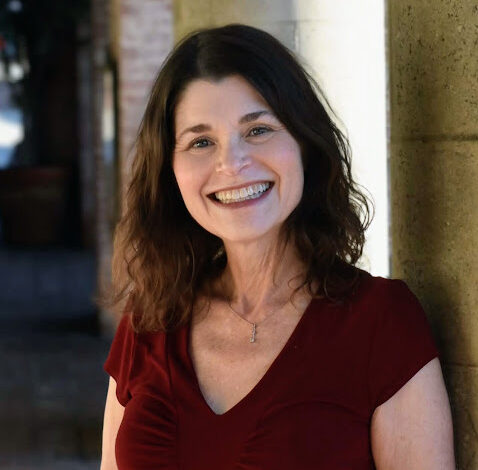
Dr. Michelle Finkel

Dr. Finkel is a graduate of Stanford University and Harvard Medical School. On completing her residency at Harvard, she was asked to stay on as faculty at Harvard Medical School and spent five years teaching at the world-renowned Massachusetts General Hospital. She was appointed to the Assistant Residency Director position for the Harvard Affiliated Emergency Medicine Residency where she reviewed countless applications, personal statements and resumes. Read more

Receive FREE Insider Medical Admissions Tips.

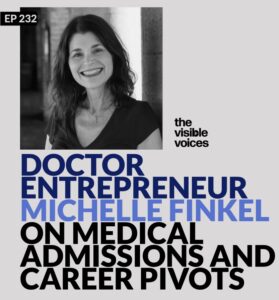
Listen to Dr. Finkel’s interview on The Visible Voices podcast: 


Listen to Dr. Finkel’s interview on the White Coat Investor podcast:

Listen to Dr. Finkel’s interview on the FeminEm podcast: