Blog Archives

Charting Outcomes in the Match 2022 is Out

The NRMP recently published their Charting Outcomes information for 2022; data I keep bookmarked and which I would recommend applicants review. The reports (for MDs and DOs) separate results into specialties and include extremely helpful information, including what mean board scores, number of contiguous ranks, and number of research experiences were for those who successfully matched – and those who did not.

It’s important to make sure you are in the range for your intended field and to compare the competitiveness of different specialties if you are seeking to apply in two fields.

Here is the MD report and the DO one.

To create a plan for your residency candidacy, secure a Strategy Session with me here.
Tags: , , ,

Winning Strategies for Medical School Interviews

I’ve heard from several medical school applicant clients who’ve already been invited to interviews – in July! Congrats. If you’re seeking my help with interview prep, please hire me at your earliest convenience; I’m scheduling 2 or 3 week in advance. 

Check out this piece on how to most effectively demonstrate your distinctiveness during your interview to show you are worthy of a competitive med school spot. And below are a couple of cute, under-one-minute Guru on the Go videos to reinforce the importance of practicing:

It’s not luck; it’s skill that will help you succeed!

Tags: , , ,

Don’t Accept Helicopter Parenting

Check out this bizarre (and sad) article from the New York Times about helicopter parenting, and note that two of the anecdotes are physician related. (Can you imagine interviewing for an attending position with your dad present?)

Along those lines, I’d recommend the New York Times best seller How to Raise an Adult by Julie Lythcott-Haimes for any parents who read this blog. (Disclaimer: Julie was one of my frosh resident assistants at Stanford.) Julie gave a great interview on Fresh Air last year. 

My policy at Insider is to work exclusively with applicants (not parents or spouses) to maintain confidentiality, avoid redundancy, and ensure candidates assume primary responsibility for their work. It’s been a winning strategy. 

Tags: , , ,

Optional Secondary Essays: Are They Really Optional?

I’ve recently received several questions about optional secondary essays and their necessity.

The beauty of an “additional comments” section is that it is intentionally vague. It’s your chance to provide details, context, or qualifications that the structure of the application didn’t allow you to present. For that reason, I lean toward using that space to both highlight who you are and any exceptional aspect of your candidacy that you’d want a reader to know before making an interview decision.

So, one good option for these essays is to pick something completely nonmedical that distinguishes you and is nowhere else to be found on your application. In this case, the essay can actually be fun to write.

Of note, sometimes people use this type of a prompt to explain one major deficiency in their candidacy. I only recommend that if there’s a big elephant in the room: In other words, in general I tell applicants – throughout the process – to avoid highlighting weaknesses. The goal is to demonstrate distinctiveness and worthiness, so negatives are usually left out. But sometimes someone has a big problem like a low MCAT score that is an anomaly that’s worth addressing head on.

Bottom line:  Since an interview isn’t guaranteed, don’t save your best material for an in-person meeting. Get your foot in the door. And as always, make sure that your essay is substantive and not fluffy.


Understaffing is Affecting Patient Care

I am only middle aged, and yet, so many of my cohort, including myself, have recently left clinical medicine. There are layer upon layer upon layer of reasons: Even before the pandemic, burnout and discouragement about the current healthcare system were big problems amongst providers. Then, COVID facilitated more departures because of the need to stay home to care for children or even illness and death, sadly. Finally, the national workforce shortage and economic cuts have led to a real crisis in our medical system. 

See this piece by Dr. George Hyde, a pediatric resident at Harbor UCLA, as he describes how understaffing is directly harming patient care.

Tags: , , ,

About Dr. Michelle Finkel

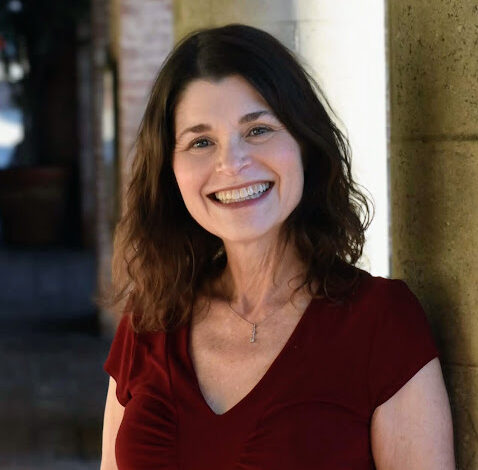
Dr. Michelle Finkel

Dr. Finkel is a graduate of Stanford University and Harvard Medical School. On completing her residency at Harvard, she was asked to stay on as faculty at Harvard Medical School and spent five years teaching at the world-renowned Massachusetts General Hospital. She was appointed to the Assistant Residency Director position for the Harvard Affiliated Emergency Medicine Residency where she reviewed countless applications, personal statements and resumes. Read more

Receive FREE Insider Medical Admissions Tips.

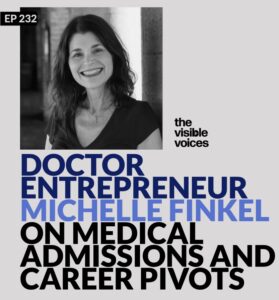
Listen to Dr. Finkel’s interview on The Visible Voices podcast: 


Listen to Dr. Finkel’s interview on the White Coat Investor podcast:

Listen to Dr. Finkel’s interview on the FeminEm podcast: